

Quick answer
Exfoliating effectively and safely involves understanding your skin type and choosing appropriate methods, whether mechanical or chemical. Tailor your approach for different body parts like the face, body, or legs, and consider specific needs such as preparing for a spray tan or managing skin under a beard. Consistent, gentle application and proper aftercare are key to achieving healthy, radiant skin.
Choosing the Right Exfoliation Method for Your Skin
Exfoliation removes dead skin cells to reveal a brighter complexion, and selecting the correct method is crucial for healthy skin. Different techniques, from physical scrubs to chemical solutions, cater to various skin types and concerns.
Exfoliation is the process of removing dead skin cells from the surface of your skin. This practice can help improve skin texture, reduce dullness, clear clogged pores, and allow other skincare products to penetrate more effectively. Regular exfoliation can lead to a smoother, more radiant complexion.
There are two primary types of exfoliation: mechanical (or physical) and chemical. Mechanical exfoliation involves physically scrubbing or rubbing the skin with tools or products. This can include facial scrubs with fine particles, brushes, or exfoliating gloves. The key to mechanical exfoliation is gentleness; harsh scrubbing can cause micro-tears and irritation.
Chemical exfoliation uses acids or enzymes to dissolve the bonds between dead skin cells, allowing them to slough off. Alpha Hydroxy Acids (AHAs) like glycolic and lactic acid are water-soluble and work on the skin's surface, often improving tone and texture. Beta Hydroxy Acids (BHAs) like salicylic acid are oil-soluble, penetrating deeper into pores to address concerns like acne and blackheads.
Enzyme exfoliants, derived from fruits like papaya and pineapple, offer a gentler chemical exfoliation option. They break down keratin proteins in dead skin cells without significantly altering the skin's pH, making them suitable for sensitive skin types that may react to stronger acids.
Tailoring Your Exfoliation Routine for Head to Toe
Effective exfoliation requires adapting techniques and products to suit the unique needs of different body areas. What works for your face may be too harsh for your body, and vice versa.
Your face has delicate skin that requires a gentle approach. For most skin types, a mild chemical exfoliant (like a low-concentration AHA or BHA serum) or a very fine-grained physical scrub used 1-3 times a week can be beneficial. Avoid harsh scrubs with large, irregular particles, which can cause irritation. Always follow with a moisturizer.
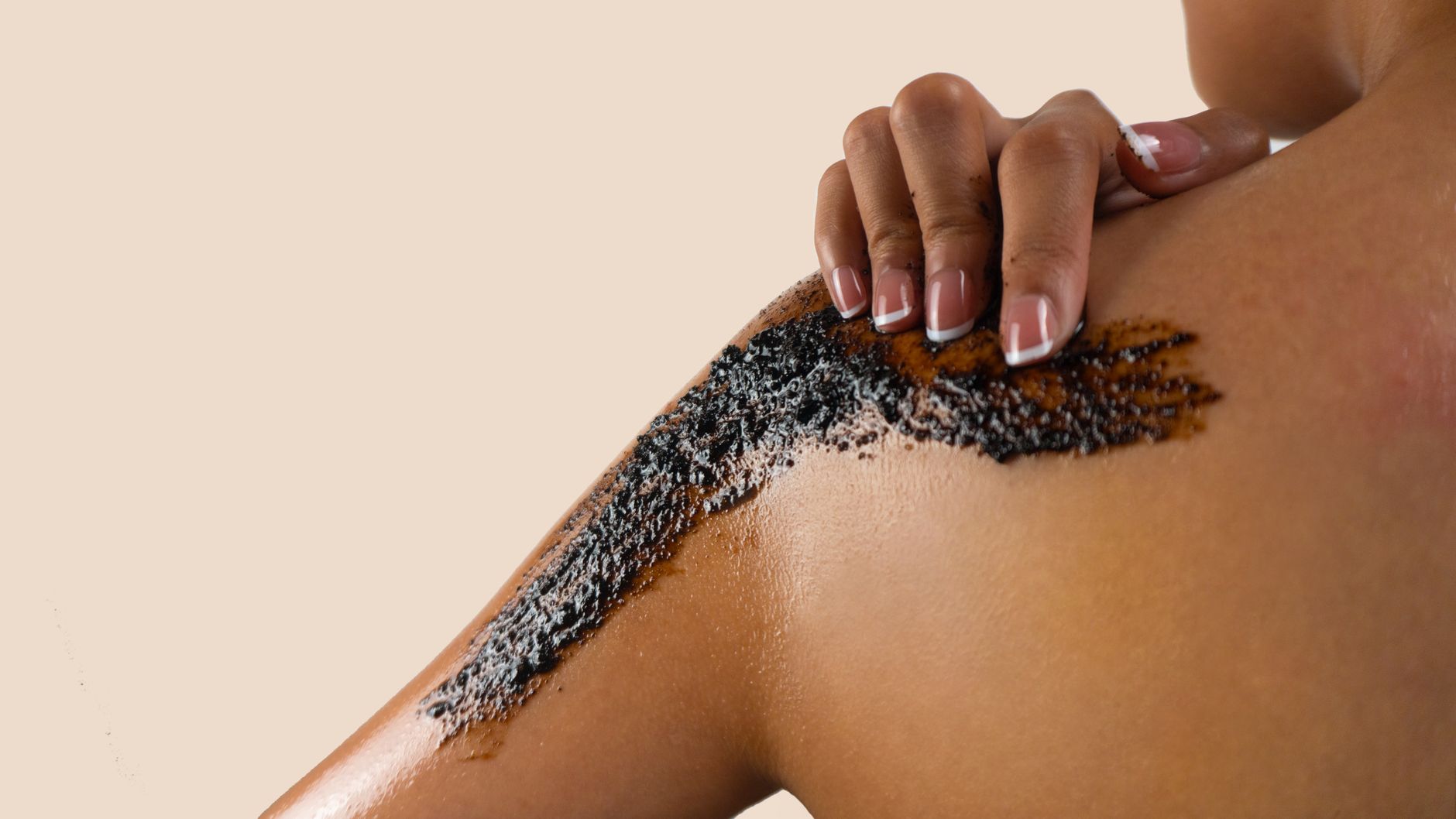
The skin on your body is generally thicker and can tolerate more robust exfoliation. Body scrubs, exfoliating gloves, or a loofah can be used in the shower. Dry brushing before a shower is another excellent method for the body, promoting circulation and sloughing off dead skin. Focus on areas prone to dryness or roughness, such as elbows, knees, and heels.
Exfoliating your legs can help prevent ingrown hairs, especially if you shave. A gentle physical scrub or a body wash containing AHAs can be effective. Exfoliate a day or two before shaving to lift hairs and reduce irritation. After shaving, continue with gentle exfoliation a few times a week to keep follicles clear.
Before applying a spray tan, thorough exfoliation is crucial for an even, streak-free, and long-lasting result. Exfoliate your entire body 24 hours before your spray tan application, paying extra attention to dry areas. This removes dead skin cells that could absorb more tan, leading to patchy color. Use a non-oil-based scrub to avoid creating a barrier that prevents tan absorption.
For those with beards, exfoliating the skin underneath can prevent flakiness, itchiness, and ingrown hairs. A gentle chemical exfoliant or a beard brush with soft bristles can help. Apply the product or brush gently in circular motions, ensuring it reaches the skin beneath the hair. This promotes healthy skin and encourages a well-groomed beard.

Maximizing Benefits and Avoiding Common Exfoliation Mistakes
Proper technique and aftercare are essential to prevent irritation and maximize the benefits of exfoliation. Understanding when to exfoliate and when to consult a professional ensures skin health and safety.
The frequency of exfoliation depends on your skin type, the method you choose, and the strength of your product. Generally, 1-3 times a week is sufficient for most people. If you have sensitive skin, start with once a week or every other week. Oily or acne-prone skin might tolerate more frequent exfoliation, but always listen to your skin.
After exfoliating, your skin is more receptive to moisture and potentially more vulnerable to environmental factors. Always follow up with a hydrating serum and a good moisturizer to replenish moisture and strengthen your skin barrier. Sun protection is also paramount, especially after chemical exfoliation, as your skin may be more sensitive to UV rays. Apply a broad-spectrum SPF of 30 or higher daily.
There are times when exfoliation should be avoided. Do not exfoliate if you have sunburn, open wounds, active breakouts with broken skin, or if your skin is already irritated, red, or inflamed. Exfoliating compromised skin can worsen irritation and delay healing.
Signs of over-exfoliation include redness, excessive dryness, flakiness, tightness, a shiny or waxy appearance, increased sensitivity, or a stinging sensation when applying products. If you notice these signs, reduce the frequency or stop exfoliating altogether until your skin recovers. Focus on gentle cleansing and intense hydration.
If you experience persistent irritation, allergic reactions, or have underlying skin conditions like rosacea, eczema, or severe acne, consult a qualified dermatologist or skincare professional for personalized advice and treatment. They can help you determine the safest and most effective exfoliation routine for your specific skin needs.
Exfoliation Golden Rules
- Always patch test new products on a small area of skin first.
- Exfoliate on clean skin, after cleansing.
- Be gentle; never scrub aggressively or apply too much pressure.
- Always follow exfoliation with a moisturizer and daily SPF application.
- Listen to your skin's signals and adjust your routine accordingly.
Exfoliation Methods at a Glance
| Method | Type | Best For | Key Considerations |
|---|---|---|---|
| Physical Scrubs | Mechanical | Body | Use gently, avoid harsh particles, not for sensitive faces |
| Chemical Exfoliants (AHAs/BHAs) | Chemical | Face, Body | Start low concentration, patch test, follow with SPF |
| Dry Brushing | Mechanical | Body | Before shower, stimulates circulation, avoid broken skin |
| Exfoliating Gloves/Loofahs | Mechanical | Body | In-shower, replace regularly, can harbor bacteria |
| Enzyme Exfoliants | Chemical | Face, Sensitive Skin | Less irritating than AHAs/BHAs, gentle action |
People also ask
Skincare FAQ
How often should I exfoliate my face?
The ideal frequency depends on your skin type and the product's strength. Generally, most people benefit from exfoliating 1-3 times a week. Sensitive skin may require less frequent exfoliation, while oily skin might tolerate more, but always observe your skin's reaction.
Can I exfoliate if I have sensitive skin?
Yes, but with caution. Choose very gentle chemical exfoliants like lactic acid or enzymes, or use a soft washcloth for physical exfoliation. Always patch test and start with less frequent application to see how your skin reacts before increasing frequency.
What should I do if my skin feels irritated after exfoliating?
If your skin feels irritated, stop exfoliating immediately. Focus on soothing and hydrating your skin with gentle, fragrance-free moisturizers and avoid active ingredients for a few days. If irritation persists, consult a qualified dermatologist for guidance.