

Quick answer
Concealer creases primarily due to skin dehydration, excess product, improper application, and unsuitable formulas for your skin type. Preventing it involves thorough skin prep, choosing hydrating, flexible formulas, using minimal product, precise blending, and strategic setting with or without powder to maintain a smooth finish.
The Root Causes of Concealer Creasing
Concealer creases primarily because of skin dehydration, unsuitable product formulas, incorrect application techniques, and natural facial movements that cause product to settle into lines.
Concealer creasing is a common frustration, but understanding its origins is the first step toward a smoother finish. Several factors contribute to this issue, often working in combination. One major culprit is skin dehydration. When the delicate skin under your eyes or around your mouth lacks moisture, it can appear more textured, causing concealer to settle into fine lines.
Product formula plays a significant role. Thicker, drier concealers tend to crease more easily than those with hydrating, flexible, or self-setting properties. Additionally, applying too much product is a frequent cause. A heavy layer of concealer is more likely to migrate and gather in creases than a thin, well-blended application. Natural facial expressions and movements throughout the day also contribute, as concealer cant always perfectly flex with the skin.
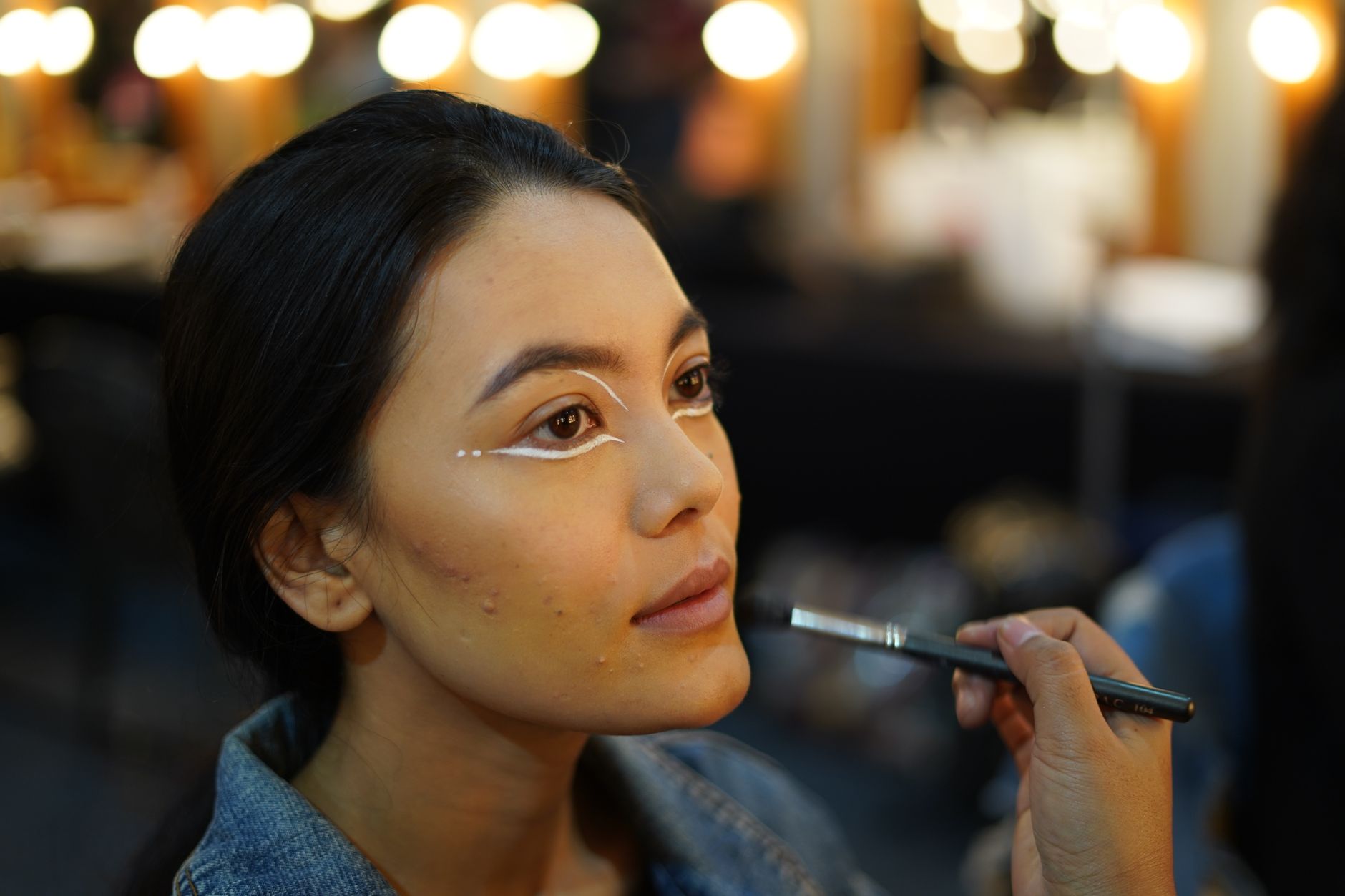
Pre-Application Prep and Smart Application Techniques
Preventing creasing begins with proper skin hydration and selecting a suitable concealer formula, followed by applying minimal product and blending it meticulously to avoid excess buildup.
Achieving a crease-free finish starts long before the concealer touches your skin. Begin with a well-hydrated canvas. After cleansing, apply a hydrating eye cream or moisturizer to the areas where you'll be applying concealer. Allow it to fully absorb for a few minutes before moving on. This plumps the skin, making lines less prominent and providing a smoother base. A lightweight, hydrating primer can also create an optimal surface.
Next, choose your concealer wisely. Opt for formulas that are described as hydrating, flexible, or self-setting, especially if you have dry or mature skin. For application, remember that less is often more. Apply a small amount of product directly to the areas needing coverage. Use a damp beauty sponge, a soft brush, or your ring finger to gently pat and blend the concealer into the skin. Focus on pressing the product into the skin rather than rubbing, which can disrupt the base and create strea

Step-by-Step Crease-Proof Concealer Application
- Start with a hydrated base using eye cream or moisturizer.
- Apply a pea-sized amount of concealer to the back of your hand.
- Dab a small amount onto the areas you wish to conceal.
- Gently pat and blend with a damp sponge or finger.
- Ensure the product is fully blended with no harsh lines.
- Blot away any excess product with a clean sponge before setting.
Setting Your Concealer for All-Day Wear
Setting concealer correctly involves using a minimal amount of finely milled powder, applied strategically, or opting for a non-powder technique, to lock it in place without adding texture.
The final step in preventing creasing is setting your concealer. This can be done with or without powder, depending on your skin type and preference. For those who prefer powder, choose a translucent, finely milled setting powder. Avoid heavy, colored powders that can add texture and look cakey.
Before applying powder, ensure your concealer is perfectly smooth and free of any existing creases. Gently pat away any lines that may have formed with a clean finger or sponge. Then, using a small, fluffy brush or a damp sponge, pick up a tiny amount of powder. Lightly press or dust the powder onto the concealed areas, focusing on the areas prone to creasing like the under-eye area and smile lines. For a more intensive set, a technique called baking involves applying a slightly heavier layer of
Common Creasing Scenarios and Quick Fixes
| Area | Common Cause | Prevention Strategy |
|---|---|---|
| Under Eyes | Dehydration, thin skin | Hydrate skin and use a flexible formula |
| Smile Lines | Facial movement, dry skin | Use less product and set lightly |
| Eyelids | Oiliness, product migration | Prep with primer and use a thin layer |
| All Areas | Excess product, unsuitable formula | Apply sparingly, blend thoroughly, choose hydrating formulas |
People also ask
Makeup FAQ
Can my skincare routine affect concealer creasing?
Yes, absolutely. A well-hydrated skin base is crucial. Dry skin can make fine lines more pronounced, causing concealer to settle into them. Using a good eye cream and moisturizer before application can significantly reduce creasing.
Is there a difference between creasing under eyes and in smile lines?
While both are forms of creasing, the underlying causes can differ slightly. Under-eye creasing is often due to thin, dry skin and natural blinking. Smile line creasing is more directly related to frequent facial movements. The prevention strategies are similar but may require slightly different product choices or application amounts.
Should I use powder to set my concealer?
Using a finely milled, translucent powder can help set concealer and prevent creasing, especially for oilier skin types or those who need extra longevity. However, for very dry or mature skin, a powder-free approach with a self-setting or flexible concealer might be more effective to avoid accentuating dryness or texture.