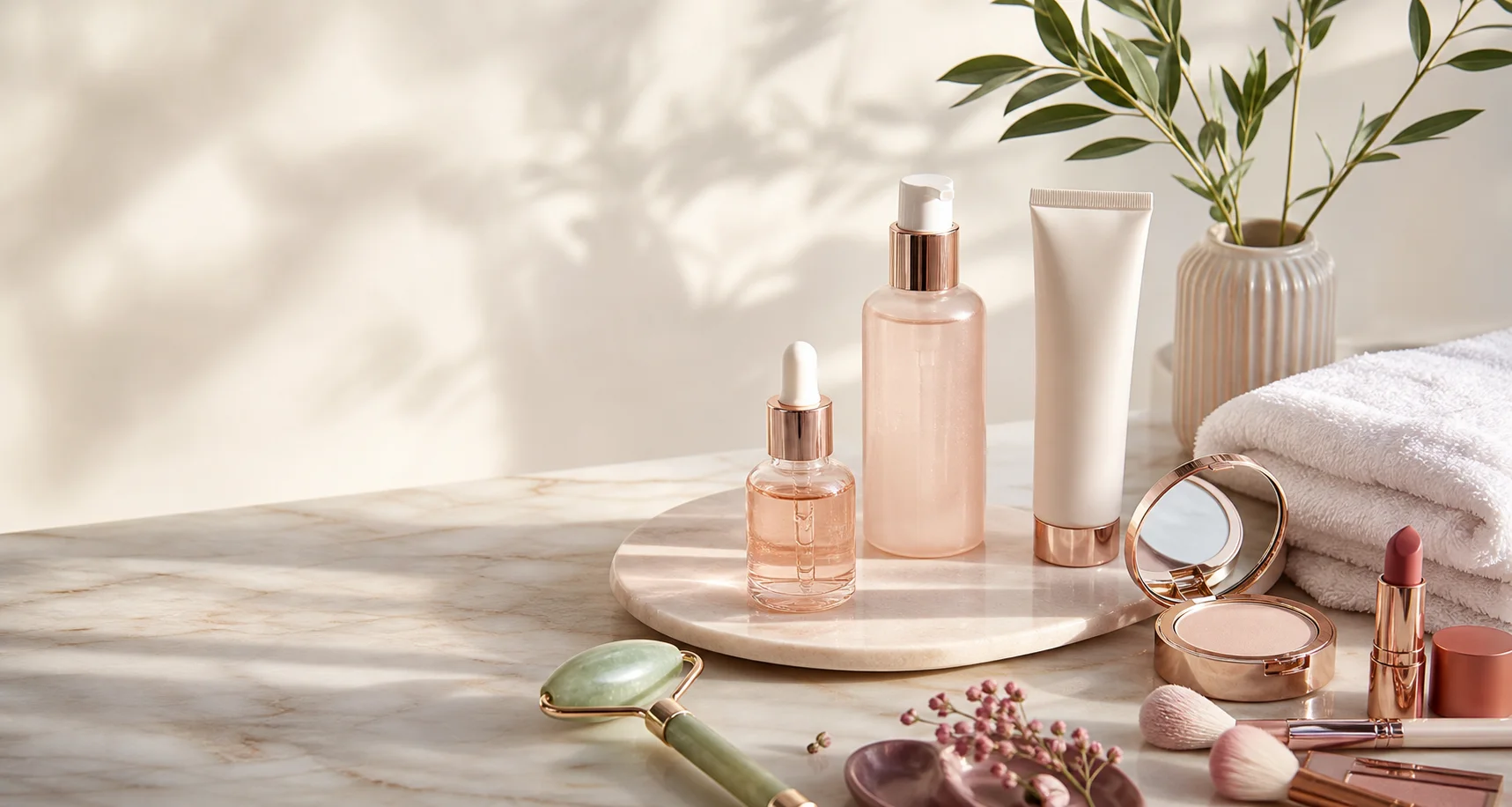

Quick answer
The best way to use vitamin C serum for radiant skin involves applying it to clean, dry skin in the morning, followed by moisturizer and sunscreen. Proper layering with compatible products and adjusting application frequency based on your skin type are key for optimal results and to minimize potential irritation.
Understanding Vitamin C Serum: When and How to Apply
Apply vitamin C serum to clean, dry skin, typically in the morning to maximize its antioxidant benefits against environmental stressors. A small amount, usually 2-3 drops, is sufficient for the entire face and neck.
Vitamin C serum is a potent antioxidant that can help protect your skin from environmental damage, brighten your complexion, and support collagen production. For most people, applying it in the morning is ideal because it works synergistically with sunscreen to offer enhanced protection against UV radiation and pollution throughout the day. Always start with a patch test on a small, inconspicuous area of skin to check for any sensitivity before applying it to your entire face.
Begin your routine by thoroughly cleansing your face to remove any dirt, oil, or makeup. Gently pat your skin dry with a clean towel. Ensure your skin is completely dry before applying the serum, as water can sometimes dilute the product or affect its absorption. Dispense 2-3 drops of serum onto your fingertips. Gently pat the serum over your face and neck, avoiding direct contact with your eyes. Allow a minute or two for the serum to fully absorb into your skin before moving on to the next step

Step-by-Step Vitamin C Serum Application
- Cleanse your face thoroughly and pat dry.
- Perform a patch test if you are new to the product.
- Dispense 2-3 drops of serum onto your fingertips.
- Gently pat the serum evenly over your face and neck.
- Allow the serum to absorb completely before proceeding.
Strategic Layering: Pairing Vitamin C with Other Skincare
Layering vitamin C serum correctly means applying it after cleansing and toning, but before heavier creams and oils, always finishing with sunscreen in the morning. This sequence ensures optimal absorption and effectiveness of each product.
The order in which you apply your skincare products matters significantly for their effectiveness. A general rule of thumb is to apply products from thinnest to thickest consistency. After your vitamin C serum has absorbed, you can layer other beneficial products. Hyaluronic acid serums, for example, are excellent companions, as they provide hydration without interfering with vitamin C's benefits. Apply your moisturizer next to seal in hydration and support your skin's barrier function.
It is crucial to follow your vitamin C application with a broad-spectrum sunscreen with at least SPF 30 every morning. Sunscreen protects your skin from UV damage and helps maintain the benefits of your vitamin C serum. While vitamin C is an antioxidant, it does not replace the need for sunscreen. Be mindful when combining vitamin C with certain ingredients like strong exfoliating acids or retinol. While some combinations can be beneficial, it is often recommended to use these products at differ

Customizing Vitamin C Use for Different Skin Needs
Adjusting the frequency and concentration of vitamin C serum is important for different skin types, with sensitive skin benefiting from lower concentrations or less frequent use. Always observe your skin's response and adapt your routine accordingly.
Not all skin types will react to vitamin C serum in the same way, so tailoring your approach can enhance results and prevent discomfort. If you have sensitive skin, start with a lower concentration of vitamin C, such as 10% or less, and apply it every other day. Gradually increase frequency as your skin adapts. For oily or combination skin, a lightweight, fast-absorbing serum is often preferred. These skin types can typically tolerate daily application.
Dry skin types may benefit from vitamin C serums formulated with additional hydrating ingredients, or by following the serum with a richer moisturizer. If you experience persistent redness, itching, or discomfort, discontinue use and consult with a dermatologist or a qualified skincare professional. They can help determine the cause of the irritation and recommend suitable alternatives or adjustments to your routine. Remember that consistency is key, but so is listening to your skin's unique nee
Vitamin C Serum Layering Guide
| Step | Product Type | Purpose |
|---|---|---|
| 1 | Cleanser | Prepares skin by removing impurities |
| 2 | Toner (optional) | Balances skin pH, adds hydration |
| 3 | Vitamin C Serum | Provides antioxidant protection, brightens skin |
| 4 | Other Serums (e.g., Hyaluronic Acid) | Addresses specific concerns, boosts hydration |
| 5 | Moisturizer | Locks in hydration, supports skin barrier |
| 6 | Sunscreen (AM only) | Protects against UV damage |
People also ask
Skincare FAQ
How often should I use Vitamin C serum?
Most people can use vitamin C serum once daily, typically in the morning. If you have sensitive skin, start with every other day and gradually increase frequency as your skin adjusts to minimize irritation.
Can I use Vitamin C serum with retinol?
It is generally recommended to use vitamin C serum in the morning and retinol at night. This helps to avoid potential irritation and ensures each product works optimally without interfering with the other's effectiveness.
What should I do if Vitamin C serum irritates my skin?
If you experience irritation like redness or itching, reduce the frequency of application or try a lower concentration serum. If irritation persists or is severe, discontinue use and consult a dermatologist or qualified skincare professional for personalized advice.