

Quick answer
Choosing the most effective sunscreen involves understanding what SPF measures for UVB protection and what PA ratings indicate for UVA protection. Combine this knowledge with identifying your skin type and daily activities to select a broad-spectrum formula that offers optimal defense against sun damage. Prioritize non-comedogenic options for oily skin, hydrating formulas for dry skin, and mineral options for sensiti
Demystifying Sunscreen Labels: SPF and PA Ratings
SPF measures a sunscreen's ability to protect your skin from UVB rays, which primarily cause sunburn. PA ratings indicate the level of protection against UVA rays, responsible for premature aging and skin darkening.
When you pick up a sunscreen bottle, the first things you likely notice are SPF and PA ratings. SPF, or Sun Protection Factor, is a measure of how well a sunscreen protects against UVB rays. These are the rays that cause sunburn and contribute to skin cancer. An SPF 30 means it would take 30 times longer for your skin to burn than if you wore no sunscreen.
PA, or Protection Grade of UVA, is a rating system used primarily in Asian markets to indicate protection against UVA rays. UVA rays penetrate deeper into the skin, contributing to aging, wrinkles, and hyperpigmentation. The PA system uses plus signs to denote the level of UVA protection: PA+ offers some protection, while PA++++ indicates extremely high UVA protection. For comprehensive defense, always look for a product labeled as broad-spectrum, meaning it protects against both UVA and UVB ray

Understanding Sunscreen Types: Mineral vs. Chemical
Sunscreen formulas generally fall into two categories: mineral, which creates a physical barrier to block UV rays, and chemical, which absorbs UV radiation and converts it into heat. Each type has distinct ingredients and mechanisms of action.
Choosing between mineral and chemical sunscreen often comes down to personal preference and skin sensitivity. Mineral sunscreens, also known as physical sunscreens, typically contain zinc oxide and/or titanium dioxide. These active ingredients sit on top of the skin, forming a physical barrier that reflects and scatters UV rays away from the skin. They are often recommended for sensitive skin types because they are less likely to cause irritation.
Chemical sunscreens, on the other hand, contain organic compounds like oxybenzone, avobenzone, octinoxate, and octisalate. These ingredients absorb UV radiation as it penetrates the skin, converting it into heat, which is then released from the skin. Chemical sunscreens often blend more seamlessly into the skin without leaving a white cast, making them a popular choice for daily wear.
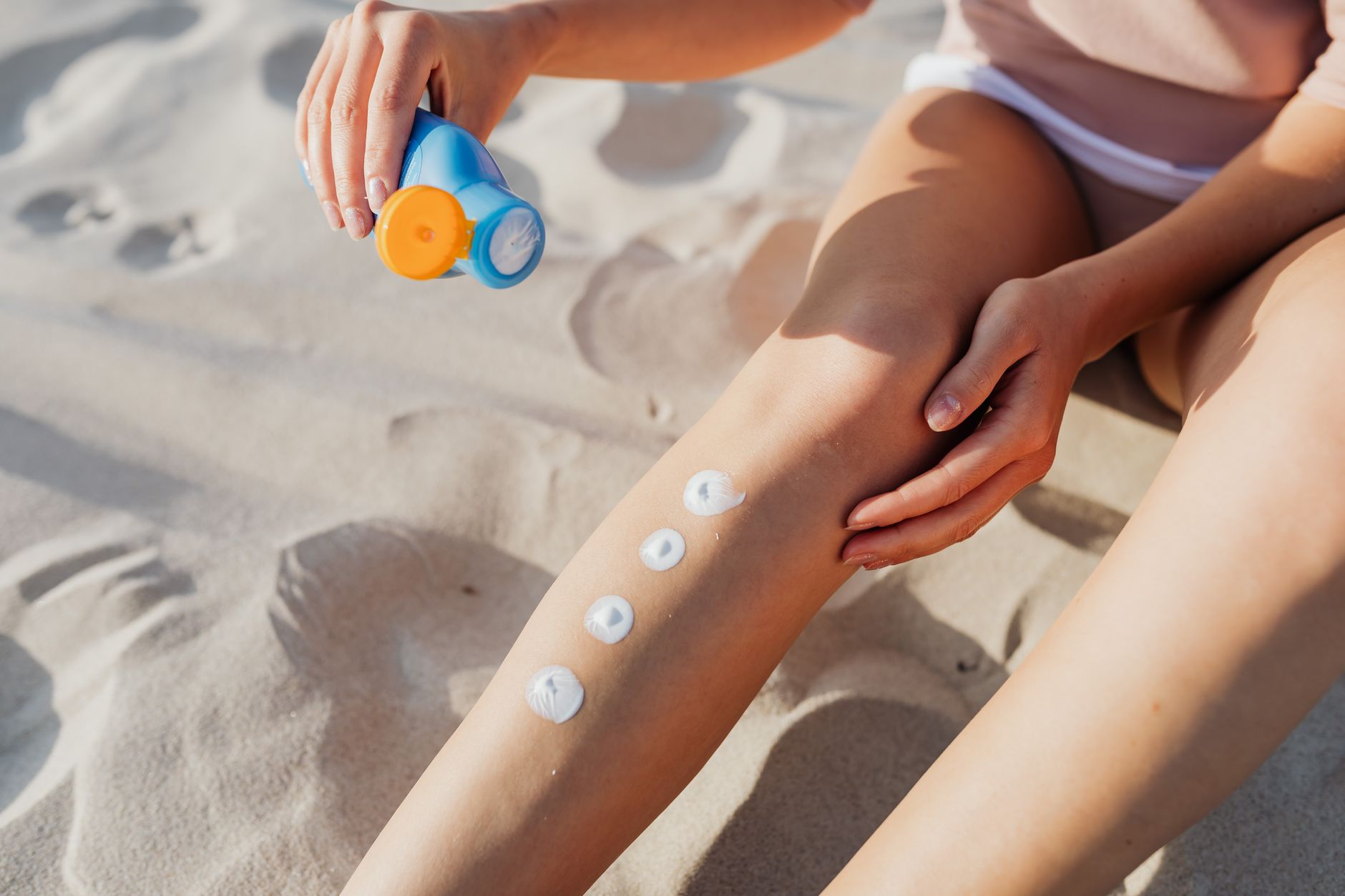
Choosing the Right Sunscreen for Your Skin Type and Lifestyle
Selecting the ideal sunscreen involves matching its formulation to your specific skin type and intended use, ensuring optimal comfort and efficacy. Consider factors like oil control for acne-prone skin or hydration for dry skin, alongside your daily activities.
Your skin type plays a crucial role in determining the best sunscreen for you. If you have oily or acne-prone skin, look for non-comedogenic, oil-free, or gel-based formulas that won't clog pores or exacerbate breakouts. For dry or mature skin, a hydrating cream or lotion sunscreen with added moisturizing ingredients like hyaluronic acid or ceramides can provide both protection and nourishment. Sensitive skin types often benefit most from mineral sunscreens, which are less likely to cause irrita
Beyond skin type, consider your lifestyle. For everyday use, a broad-spectrum sunscreen with at least SPF 30 and a PA+++ rating is generally sufficient. If you spend extended periods outdoors, swim, or sweat heavily, opt for water-resistant formulas with higher SPF (50+) and reapply frequently. Remember that no sunscreen is truly waterproof, so reapplication after swimming or sweating is always necessary. If you experience persistent skin irritation, allergies, or have specific skin conditions,
Understanding SPF and PA Ratings for Sun Protection
| Rating Type | What It Measures | Protection Level |
|---|---|---|
| SPF (Sun Protection Factor) | Protection against UVB rays (sunburn) | SPF 15: Blocks 93% of UVB SPF 30: Blocks 97% of UVB SPF 50: Blocks 98% of UVB |
| PA (Protection Grade of UVA) | Protection against UVA rays (aging, darkening) | PA+: Some UVA protection PA++: Moderate UVA protection PA+++: High UVA protection PA++++: Extremely High UVA protection |
People also ask
Skincare FAQ
What does broad-spectrum sunscreen mean?
Broad-spectrum sunscreen offers protection against both UVA rays, which contribute to aging and skin darkening, and UVB rays, which are the primary cause of sunburn.
How often should I reapply sunscreen?
Generally, sunscreen should be reapplied every two hours, or more frequently after swimming, sweating heavily, or towel drying, regardless of its SPF rating.
Can I use sunscreen past its expiration date?
No, it is not recommended to use sunscreen past its expiration date. Its active ingredients may degrade over time, reducing its effectiveness and leaving your skin vulnerable to sun damage.