
Quick answer
To prevent concealer from creasing without powder, focus on meticulous skin preparation, proper application techniques like thin layers and gentle blending, and choosing hydrating, self-setting formulas. Less product often yields a smoother, more natural finish that resists settling into lines.
The Foundation of Flawless: Skin Prep is Key
Proper skin preparation is crucial for preventing concealer creasing, as it creates a smooth, hydrated canvas that helps product adhere evenly and prevents dryness from emphasizing lines.
Before applying any makeup, ensuring your skin is well-hydrated and prepped is foundational. Dry skin can pull moisture from your concealer, causing it to settle into fine lines and appear patchy. A well-moisturized under-eye area allows concealer to glide on smoothly and flex with your skin's natural movements.
Begin with a gentle cleanse, followed by your regular skincare routine. Apply a hydrating eye cream or serum, gently patting it into the skin with your ring finger until fully absorbed. This step plumps the skin and creates a barrier, preventing concealer from sinking into creases. Just as carefully monitoring ingredients for pets, like those discussed at pawdishy.com/foods-to-avoid-in-pet-recipes, ensures their well-being, understanding the ingredients in your skincare and adopting sim
Pre-Concealer Routine Steps
- Cleanse skin gently to remove impurities
- Apply a hydrating eye cream or serum
- Allow all skincare products to fully absorb into the skin
- Optionally, use a tiny amount of eye primer if desired, letting it set
Mastering Application for a Smooth Finish
Achieving a crease-free finish without powder relies on applying concealer in thin layers, using precise tools, and blending meticulously to ensure the product melts seamlessly into the skin.
The golden rule for concealer application, especially without powder, is 'less is more'. Over-applying product is one of the most common reasons for creasing. Instead of swiping a large amount, dot a minimal amount of concealer only on the specific areas needing coverage, such as the inner corner of the eye or any dark spots.
For blending, a damp beauty sponge, a small fluffy brush, or even your clean ring finger can be effective. Use gentle patting motions to press the product into the skin, rather than dragging or rubbing. This technique helps the concealer meld with your skin's texture and prevents it from sitting on top, which can lead to settling into lines. Build coverage gradually; apply a tiny amount, blend, and then add another thin layer if more coverage is needed. Looking up briefly after application can h
Application Techniques
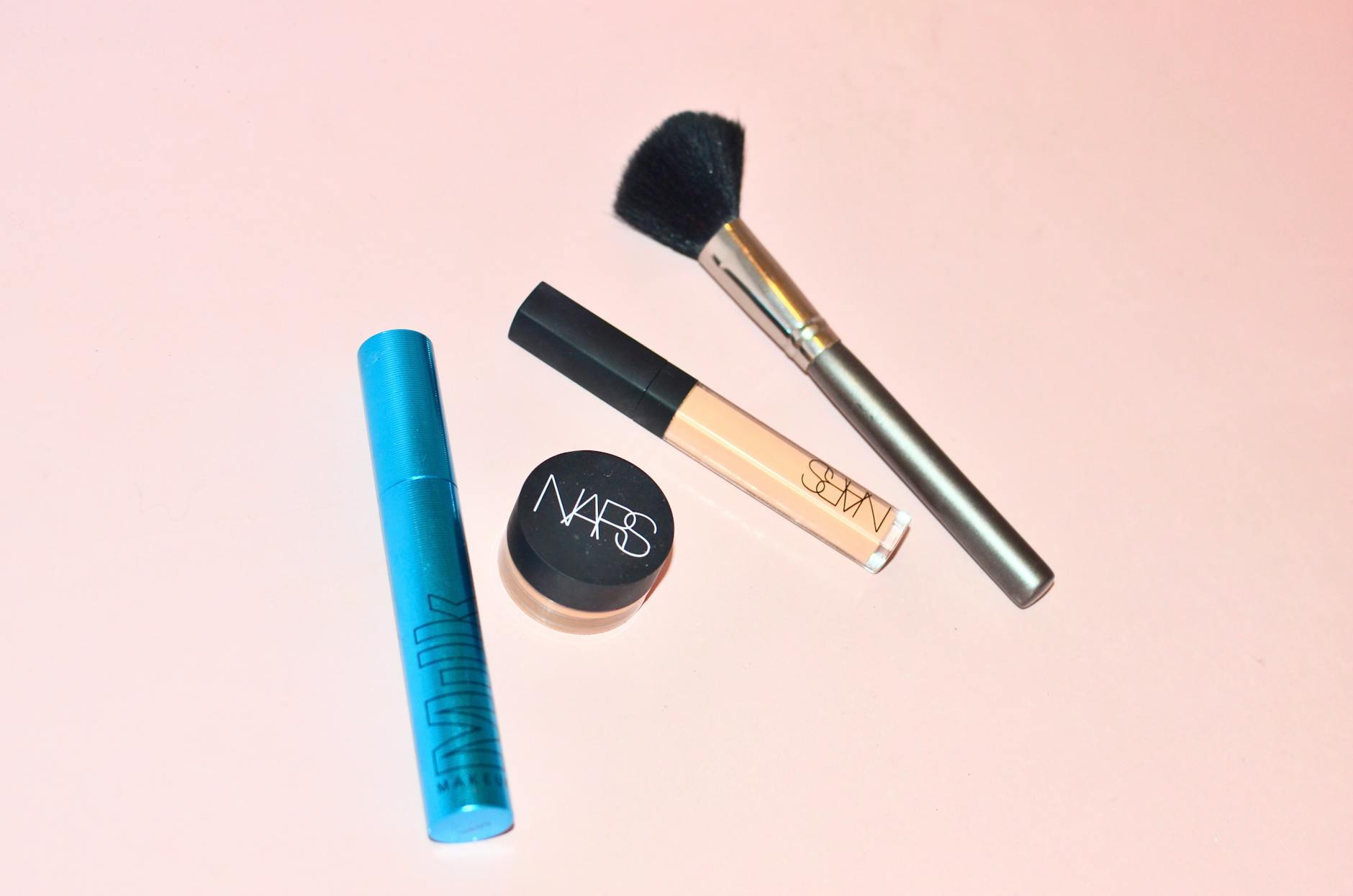
- Apply a minimal amount directly to areas needing coverage
- Use a damp beauty sponge or clean finger to gently pat and blend
- Work in thin layers, building coverage gradually only where necessary
- Look up briefly after application to smooth out any immediate settling into lines
Product Choices for Powder-Free Longevity
Selecting hydrating, self-setting concealer formulas designed for flexible wear is paramount for preventing creasing without powder, as these products are formulated to dry down smoothly and stay put.
Not all concealers are created equal, especially when aiming for a powder-free finish. Look for formulas specifically marketed as 'hydrating,' 'self-setting,' 'flexible,' or 'crease-resistant.' These concealers often have a serum-like or creamy texture that allows them to move with your skin rather than settling into lines. Avoid thick, matte, or very quick-drying formulas that are designed to be set with powder, as they can feel heavy and emphasize texture without it.
Check the ingredient list for humectants like hyaluronic acid or glycerin, and nourishing ingredients like vitamin E, which contribute to a smoother, more flexible finish. Conversely, some heavy silicones might contribute to pilling or separation without powder to lock them in. If you experience persistent skin irritation, allergic reactions, or have underlying skin conditions, consult a qualified dermatologist for personalized advice and treatment. Sometimes, using a color corrector underneath
Concealer Formula Features
- Look for hydrating or serum-like textures
- Opt for flexible, self-setting formulas that dry down smoothly
- Choose light-to-medium coverage to avoid heavy layers
- Consider color correctors to reduce the need for thick concealer
Concealer Application Tools Comparison
| Tool | Best For | Technique Tip |
|---|---|---|
| Finger | Natural, sheer coverage | Warm product with body heat, gently pat into skin |
| Damp Beauty Sponge | Seamless blend, light finish | Bounce gently to diffuse product and absorb excess |
| Small Concealer Brush | Precise placement, targeted coverage | Lightly tap or feather product, then blend edges |
People also ask
Makeup FAQ
Can I use foundation as concealer to avoid creasing?
While foundation can offer some coverage, dedicated concealers are often formulated with higher pigment and specific textures for the delicate under-eye area. Using a thin layer of a hydrating concealer designed for flexible wear is generally more effective for preventing creases than foundation, which might be too thin or too heavy for the under-eye.
How do I know if my concealer is too thick or too thin?
A concealer that is too thick will likely settle into fine lines almost immediately, feeling heavy and looking cakey. One that is too thin might offer insufficient coverage or dry out quickly, potentially emphasizing texture. The ideal consistency should feel lightweight, blend effortlessly, and provide adequate coverage without caking or clinging to dry pat
What if my skin is very oily but I want to avoid powder?
For oily skin types seeking to avoid powder, focus on oil-controlling skincare and primers before makeup application. Choose a self-setting concealer that has a satin or natural matte finish, rather than a dewy one. Apply very thinly and blot any excess oil throughout the day with blotting papers instead of adding powder. Some hydrating formulas can still wo