

Quick answer
Beginners should introduce retinol slowly, starting with a low concentration and applying it once or twice a week at night. Apply a pea-sized amount to clean, dry skin after cleansing, then follow with a moisturizer to buffer potential irritation. Gradually increase frequency as your skin adapts.
What is Retinol and Why Start Slowly?
Retinol is a vitamin A derivative known for promoting skin cell turnover and improving skin texture. Beginners should start slowly due to its potency, which can cause initial irritation like redness or dryness if introduced too quickly.
Retinol is a powerful ingredient that can help address various skin concerns, including fine lines, uneven skin tone, and texture. It works by encouraging your skin cells to renew more rapidly.
Because of its effectiveness, retinol can also be quite potent, especially for skin that is not accustomed to it. Starting with a low concentration and gradual application is key to allowing your skin to build tolerance and minimize potential side effects. This gentle approach helps prevent irritation and ensures a more positive experience.
How to Apply Retinol Correctly for Beginners
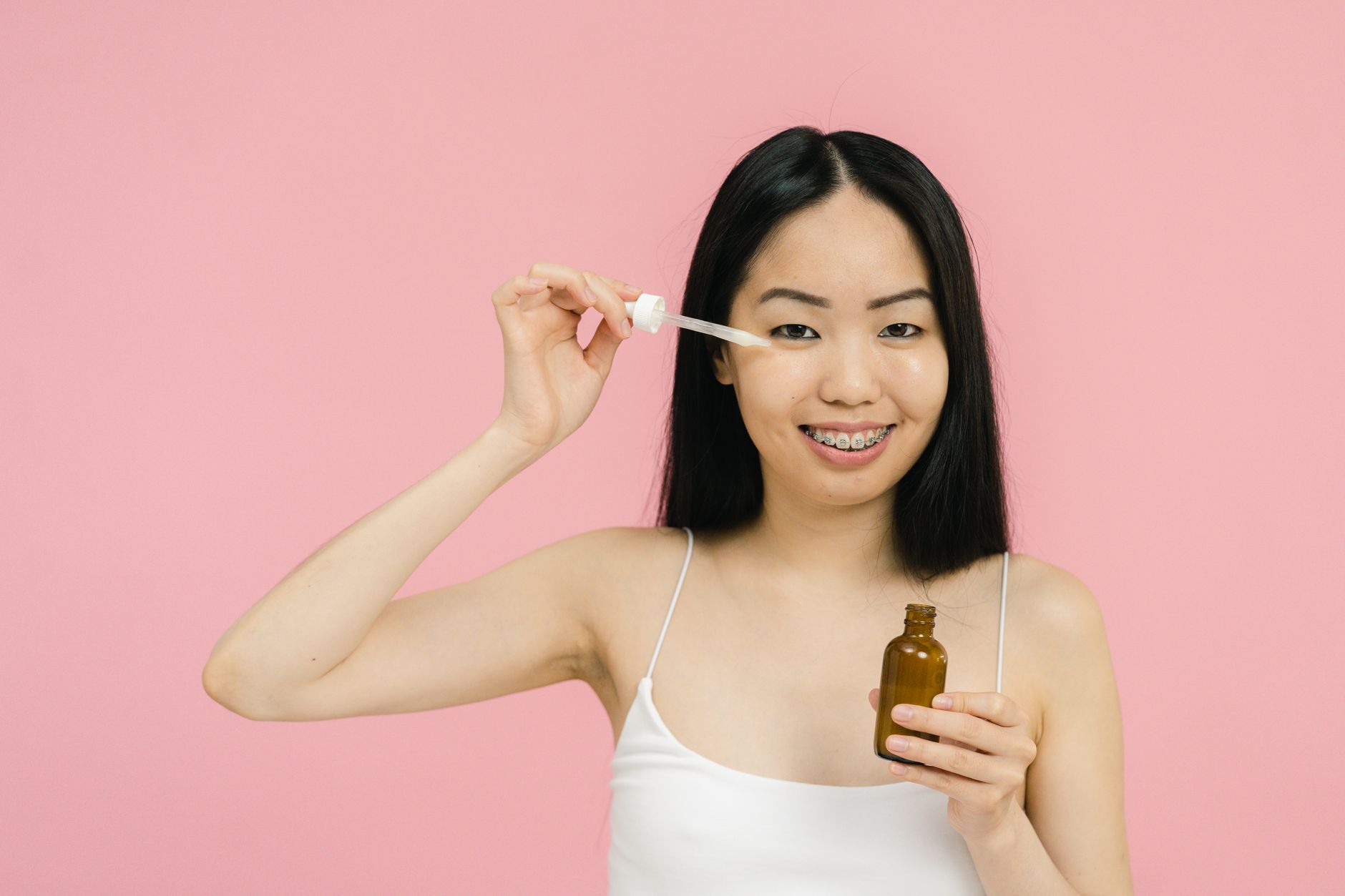
Always apply retinol to clean, dry skin in the evening. Use a pea-sized amount for your entire face, and consider the sandwich method by applying moisturizer first, then retinol, then more moisturizer.
Introducing retinol into your routine requires a careful approach to ensure effectiveness without overwhelming your skin. Follow these steps for a smooth start.

Beginner Retinol Application Steps
- Step 1: Cleanse Your Skin: Wash your face with a gentle cleanser and pat it completely dry. Ensure your skin is fully dry to prevent the retinol from penetrating too quickly, which can increase irritation.
- Step 2: Apply a Pea-Sized Amount: Dispense a small, pea-sized amount of retinol onto your fingertip. This is enough for your entire face. More is not better with retinol.
- Step 3: Gently Apply to Face: Dot the retinol on your forehead, cheeks, nose, and chin. Gently spread it evenly across your entire face, avoiding your eyes, lips, and corners of your nose.
- Step 4: Consider the Sandwich Method (Optional but Recommended): For very sensitive skin or during the initial weeks, apply a layer of gentle moisturizer *before* your retinol, then apply the retinol, and follow with ano
- Step 5: Follow with Moisturizer: After the retinol has absorbed for a few minutes (especially if not using the sandwich method), apply a generous amount of a rich, hydrating moisturizer. This helps to combat dryness and
- Step 6: Use Sun Protection Daily: Retinol can increase sun sensitivity. Always apply a broad-spectrum sunscreen with SPF 30 or higher every morning, even on cloudy days.
Avoiding Irritation and Knowing When to Adjust
Common pitfalls include starting with too high a concentration or applying too frequently, leading to redness and peeling. If irritation is severe, persistent, or causes pain, consult a qualified dermatologist or healthcare professional.
While retinol offers many benefits, it is easy to make mistakes that can lead to discomfort. Being aware of common issues can help you navigate your journey successfully.
**Starting Too Strong:** Using a high concentration or applying retinol every night from day one is a common mistake. This often results in excessive dryness, flaking, redness, and a compromised skin barrier. Always begin with a low concentration (0.01-0.03%) and apply it sparingly.
**Skipping Sunscreen:** Retinol makes your skin more sensitive to the sun. Failing to use adequate sun protection daily can undo retinol's benefits and even lead to sun damage. Make sunscreen an non-negotiable part of your morning routine.
**Mixing with Other Actives:** Be cautious when combining retinol with other potent active ingredients like AHAs, BHAs, or Vitamin C, especially initially. These combinations can increase irritation. If you wish to use them, introduce them on separate nights or consult a skincare professional.
**Patience is Key:** Retinol takes time to show results and for your skin to adjust. Do not expect immediate changes or get discouraged by initial purging. Stick with your routine consistently for at least 12 weeks to see significant improvements.
**When to Seek Professional Help:** If you experience severe burning, persistent redness, extreme peeling, or an allergic reaction that does not subside with adjustment, discontinue use and consult a qualified dermatologist or healthcare professional. They can provide personalized advice and address underlying skin conditions.
Gradual Retinol Introduction Plan
| Phase | Frequency | Concentration | Application Tip |
|---|---|---|---|
| Start Slow (Weeks 1-2) | 1-2 nights per week | 0.01-0.03% (low) | Apply after moisturizer (sandwich method) |
| Build Tolerance (Weeks 3-4) | 2-3 nights per week | 0.01-0.03% (low) | Apply before or after moisturizer |
| Increase & Observe (Weeks 5+) | 3-4+ nights per week (as tolerated) | 0.03-0.05% (low-medium) | Apply before moisturizer (if tolerated) |
People also ask
Skincare FAQ
How much retinol should a beginner use?
A pea-sized amount is sufficient for your entire face. Using more will not speed up results and can increase the likelihood of irritation.
Can I use retinol every night when I first start?
No, beginners should start by applying retinol only 1-2 nights a week. Gradually increase the frequency as your skin builds tolerance, typically over several weeks.
What should I do if my skin gets red and flaky from retinol?
Reduce the frequency of application, use a lower concentration, or try the sandwich method with moisturizer. Ensure you are using a rich moisturizer and daily sunscreen. If irritation persists or is severe, consult a dermatologist.