
Quick answer
Effectively soothing and healing dry lips involves understanding their causes, adopting consistent hydration and protective habits, and choosing appropriate lip care products. Regular application of emollient-rich balms, avoiding irritants, and protecting lips from environmental factors are key steps towards lasting comfort.
What Causes Dry, Chapped Lips?
Dry, chapped lips often result from environmental factors, dehydration, and certain habits. Understanding these triggers is the first step toward effective relief and prevention.
Our lips have a thinner skin barrier compared to other parts of our face, making them more vulnerable to moisture loss. Several factors can contribute to dryness and chapping, often in combination.
Environmental conditions play a significant role. Cold, dry weather, wind, and even excessive sun exposure can strip moisture from the delicate lip skin. Dehydration, both from insufficient water intake and certain medications, can also manifest as dry lips. Furthermore, habits like repeatedly licking your lips can worsen the problem; while it provides temporary relief, the evaporation of saliva can leave lips drier than before. Some lip products, particularly those with strong fragrances, menth

Quick Fixes and Daily Habits for Softer Lips
Immediate relief for dry lips often comes from consistent hydration, gentle care, and protective measures. Integrating simple habits into your daily routine can significantly improve lip comfort.
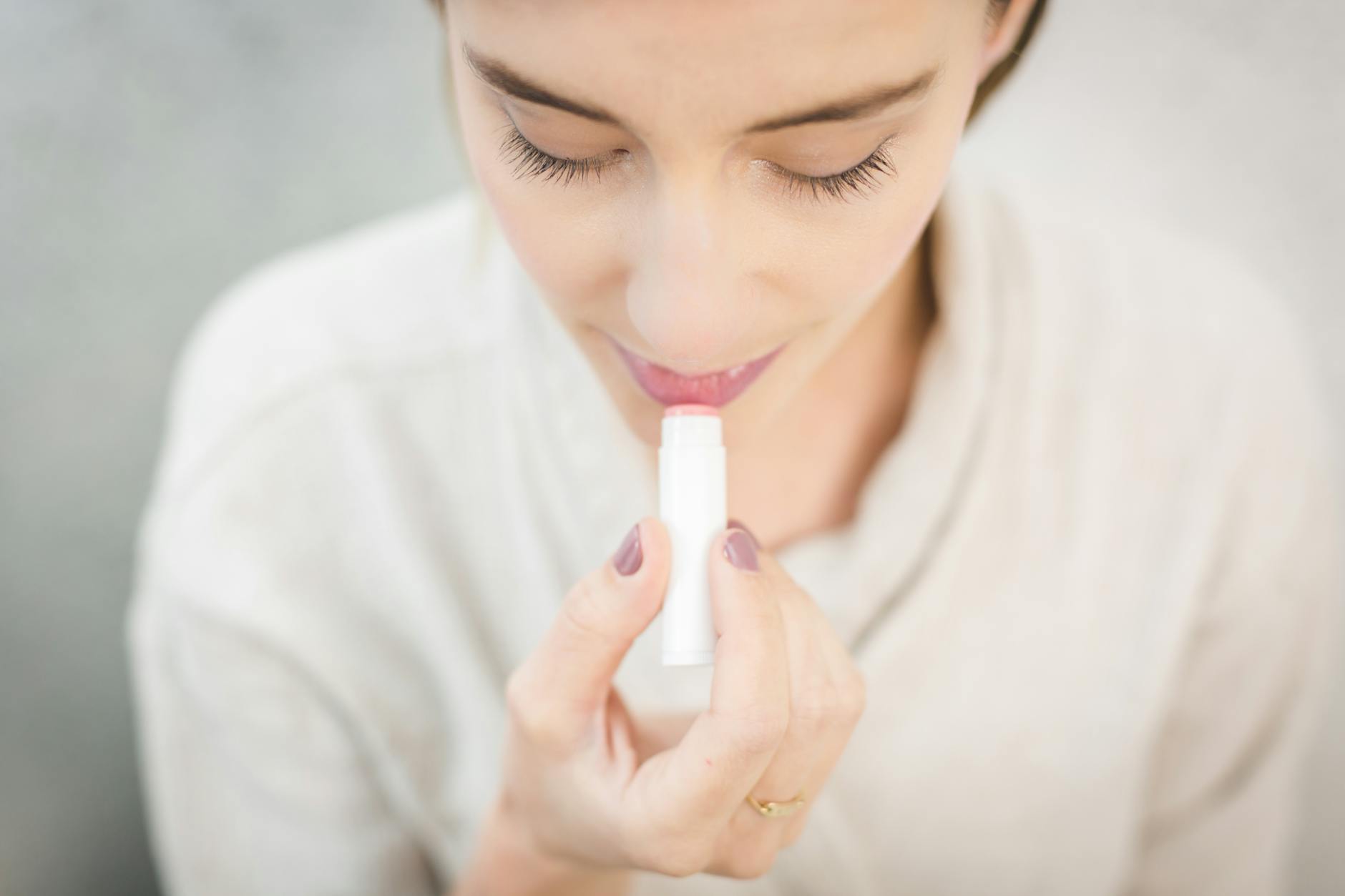
For immediate comfort and to prevent further irritation, focus on hydrating and protecting your lips throughout the day. Start by ensuring adequate water intake; hydration from within supports overall skin health, including your lips. When choosing a lip balm, opt for products with occlusive ingredients like petrolatum or beeswax to seal in moisture, and apply it frequently, especially before going outdoors, after eating, and before bed.
Gentle exfoliation can help remove dry, flaky skin without causing further damage. You can use a soft, damp cloth to gently buff your lips or a mild lip scrub. Follow this immediately with a rich lip balm. Avoid picking or peeling dry skin, as this can lead to irritation and prolong healing. Protecting your lips from the sun is also crucial; look for lip balms with SPF, even on cloudy days, to prevent sun-induced damage and dryness.
Sustaining Lip Health: Products and Preventative Measures
Achieving lasting lip health involves thoughtful product choices and consistent preventative strategies. Focusing on nourishing ingredients and avoiding irritants can maintain soft, comfortable lips.
For long-term lip health, it's beneficial to be mindful of the ingredients in your lip care products. Look for balms that contain a blend of occlusives, emollients, and humectants for comprehensive hydration and protection. Ingredients like shea butter, ceramides, hyaluronic acid, and plant oils (such as jojoba or avocado oil) are excellent choices. Conversely, try to avoid ingredients known to be drying or irritating, such as alcohol, strong fragrances, phenol, or salicylic acid, if you find yo
Beyond products, consider incorporating natural approaches like applying a thin layer of honey for its humectant and soothing properties, or aloe vera gel for its calming effects. Establishing a consistent lip care routine that includes regular application of a protective balm, especially before bed, is key. If your dry lips are persistent, accompanied by significant cracking, bleeding, or unusual irritation, or if you suspect an allergic reaction or an underlying skin condition, consulting with
Common Lip Balm Ingredients and Their Benefits
| Ingredient Type | Examples | Primary Benefit |
|---|---|---|
| Occlusives | Petrolatum, Beeswax, Lanolin, Shea Butter | Forms a protective barrier to prevent moisture loss |
| Emollients | Ceramides, Fatty Acids, Plant Oils (Jojoba, Sunflower) | Smooths and softens the skin surface, fills cracks |
| Humectants | Hyaluronic Acid, Glycerin, Sorbitol | Draws moisture from the air or deeper skin layers into the lips |
| Soothing Agents | Aloe Vera, Bisabolol, Allantoin | Reduces irritation and promotes comfort |
People also ask
Skincare FAQ
How often should I apply lip balm?
Apply lip balm frequently throughout the day, especially when your lips feel dry, before going outdoors, after eating or drinking, and before sleeping. Consistent application helps maintain a protective barrier.
Can licking my lips make them worse?
Yes, licking your lips can worsen dryness. While it provides temporary moisture, the saliva evaporates quickly, taking natural moisture with it and leaving your lips drier than before.
Are all lip balms equally effective?
No, lip balms vary in effectiveness based on their ingredients. Look for balms containing occlusives (like petrolatum or beeswax) to seal in moisture, emollients (like shea butter) to soften, and humectants (like hyaluronic acid) to draw in moisture for optimal results.