
Quick answer
To effectively fix and prevent dry lips, focus on gentle exfoliation, consistent hydration with emollient balms, and protecting lips from environmental factors. Incorporate ingredients like shea butter, hyaluronic acid, and beeswax. Avoid licking your lips and ensure adequate internal hydration for lasting comfort.
Why Your Lips Get Dry and How to Identify the Causes
Dry lips often result from environmental factors like wind and sun exposure, dehydration, or habits like lip licking. Identifying these triggers is the first step towards effective relief and prevention.
Our lips are delicate and lack the oil glands present in other parts of our skin, making them particularly vulnerable to drying out. Various factors can contribute to their dryness, leading to discomfort and flaking.
Common culprits include harsh weather conditions like cold winds or dry indoor air, insufficient water intake, and habits such as repeatedly licking your lips which temporarily moistens them but ultimately strips away natural oils as the saliva evaporates. Certain lip products containing irritating ingredients like camphor, menthol, or salicylic acid can also exacerbate dryness. Additionally, sun exposure without protection can lead to chapped lips, just as it can damage other skin.

Quick Relief: Soothe and Hydrate Your Lips Effectively
For immediate relief, gently exfoliate to remove flakes, then apply a rich, emollient lip balm frequently, especially one containing occlusive ingredients to seal in moisture and protect.
When your lips feel dry and uncomfortable, immediate action can provide welcome relief. Start by gently removing any loose, flaky skin. This can be done by softly rubbing a damp, warm washcloth over your lips or using a very mild lip scrub designed for sensitive skin. Avoid harsh scrubbing, which can cause further irritation.
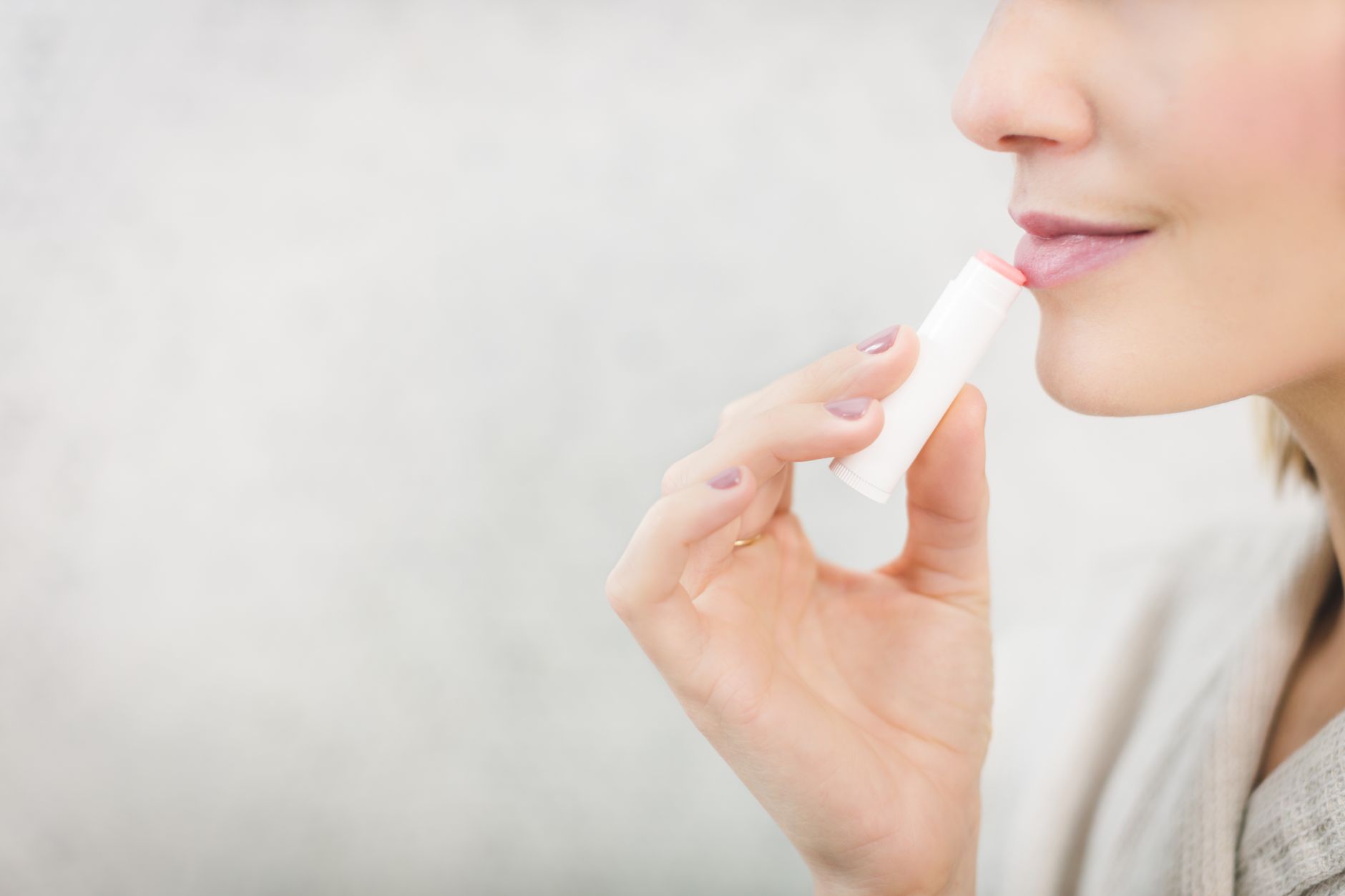
After exfoliation, apply a generous layer of a hydrating and protective lip balm. Look for balms with ingredients like shea butter, beeswax, lanolin, or petroleum jelly, which help create a barrier to lock in moisture. Reapply this balm frequently throughout the day, especially after eating or drinking, and before going outdoors. Using a humidifier in dry indoor environments can also help add moisture to the air and reduce lip dryness.
Steps for Soothing Dry Lips
- Gently remove loose flakes with a soft, damp cloth or a mild lip scrub.
- Apply a generous layer of a reparative lip balm rich in emollients and occlusives.
- Reapply lip balm frequently throughout the day, particularly after meals or drinks.
- Use a humidifier indoors if you are in a dry climate or heated environment.
Preventing Dry Lips: Long-Term Care for Lasting Softness
Long-term prevention involves consistent protection from environmental stressors, staying well-hydrated, and establishing a regular lip care routine with nourishing, non-irritating products.
Maintaining soft, hydrated lips over time requires a consistent and proactive approach. One of the most important preventive measures is to protect your lips from the sun. Use a lip balm that contains SPF, even on cloudy days, to shield against UV damage. Additionally, ensure you are drinking adequate water throughout the day to support overall body hydration, which directly impacts lip moisture.
Make a habit of applying a hydrating lip balm before bed, allowing it to work overnight. Be mindful of ingredients in your lip products and avoid those known to cause dryness or irritation for you. Break habits like lip licking or picking at flakes, as these can disrupt the natural healing process. If you experience persistent or severe lip irritation, bleeding, or suspect an allergic reaction or underlying skin condition, it is advisable to consult with a qualified healthcare professional.
For ongoing care, consider incorporating a gentle lip mask once or twice a week to provide an extra boost of hydration and nourishment.
Tips for Long-Term Lip Health
- Drink adequate water throughout the day to support overall hydration.
- Use a lip balm with SPF 15 or higher daily to protect against sun damage.
- Apply a thick layer of hydrating balm as part of your nighttime routine.
- Avoid lip products that contain known irritants or allergens for your skin.
- Be mindful of habits like lip licking, biting, or picking at dry skin.
Common Lip Balm Ingredients and Their Benefits
| Ingredient | Primary Benefit | Category |
|---|---|---|
| Shea Butter | Deeply moisturizing and nourishing | Emollient |
| Beeswax | Forms a protective barrier | Occlusive |
| Hyaluronic Acid | Attracts and holds moisture to the skin | Humectant |
| Lanolin | Highly emollient, semi-occlusive | Emollient/Occlusive |
| Jojoba Oil | Mimics skin's natural oils, conditions | Emollient |
| Ceramides | Helps restore skin's barrier function | Restorative |
People also ask
Skincare FAQ
Can I use petroleum jelly for dry lips?
Petroleum jelly can act as an effective occlusive barrier to help seal in moisture and protect lips from external elements. While it does not add moisture, it can prevent existing moisture from escaping and support the healing process.
How often should I apply lip balm?
Apply lip balm whenever your lips feel dry or tight, and always after eating, drinking, or exposing your lips to harsh weather conditions. Consistent reapplication throughout the day is key for maintaining hydration and protection.
When should I see a doctor for dry lips?
Consider consulting a healthcare professional if your dry lips are persistent, bleeding, severely cracked, accompanied by a rash, or if you suspect an allergic reaction or an underlying skin condition that is not improving with home care.