Quick answer
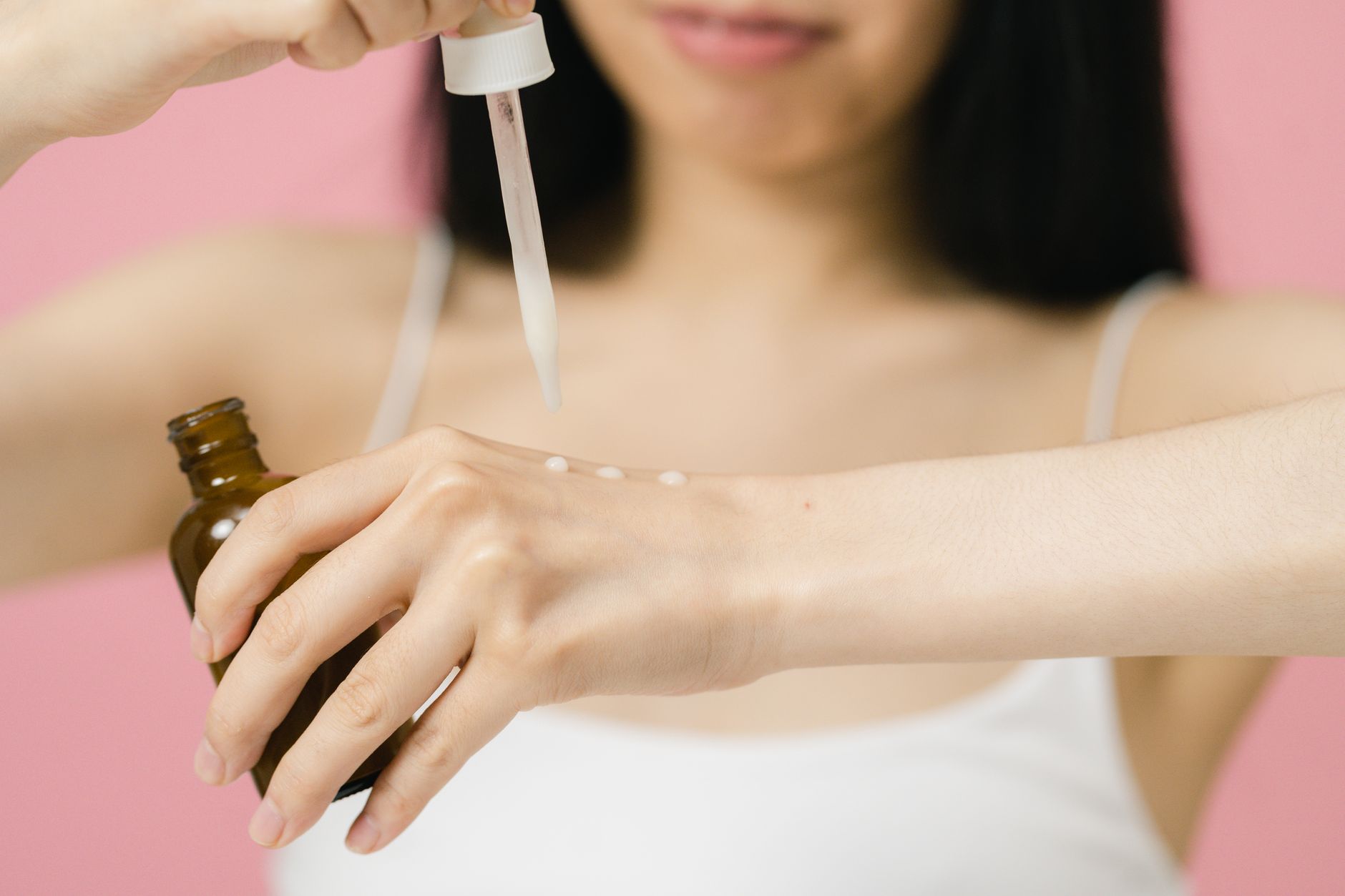
To effectively apply retinol, start slowly with a pea-sized amount on clean, dry skin. Serums are typically applied before moisturizer, while creams can be the final step. Always follow up with SPF during the day and listen to your skin's response for optimal results.
How Should I Start Using Retinol Safely?
Begin with a low concentration retinol product once or twice a week to allow your skin to adapt. Always apply retinol to clean, thoroughly dry skin to minimize potential irritation.
Starting your retinol journey thoughtfully can help prevent common side effects like redness or flaking. For beginners, it is often recommended to choose a product with a lower concentration of retinol, such as 0.25% or 0.5%. Introduce it into your routine gradually, perhaps just once or twice a week during the evening.
Before application, ensure your face is not only clean but also completely dry. Applying retinol to damp skin can enhance its penetration, potentially leading to increased irritation. A dry canvas helps your skin manage the active ingredient more comfortably.
What is the Best Way to Apply Retinol Serums and Creams?
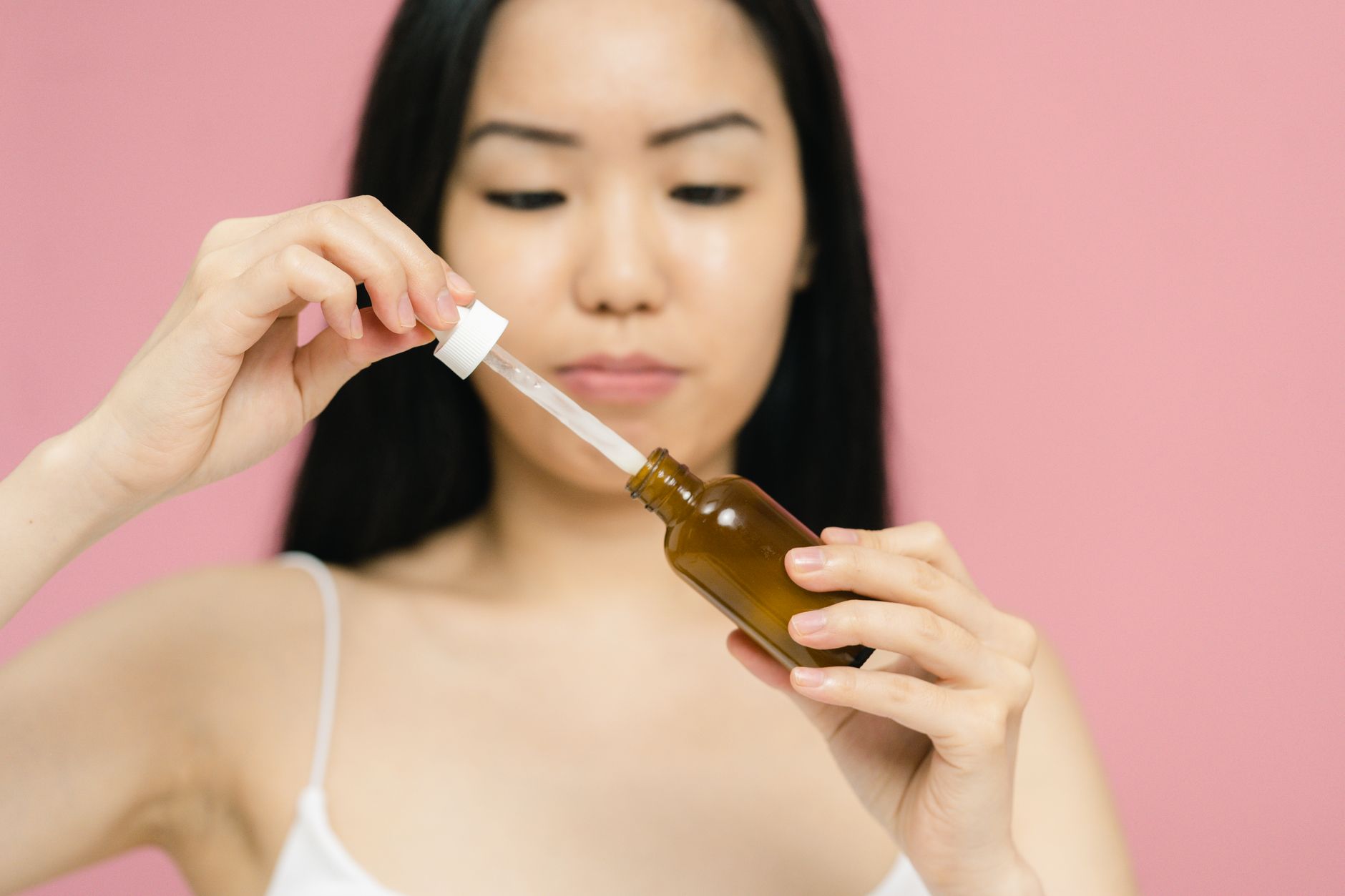
For serums, apply a pea-sized amount after cleansing and toning, allowing it to absorb before moisturizer. For creams, use a similar pea-sized amount and spread evenly, often serving as your final moisturizing step.
Regardless of whether you are using a serum or a cream, the cardinal rule for retinol application is to use only a pea-sized amount for your entire face. More product does not equate to faster or better results and can instead lead to unnecessary irritation.
When using a **retinol serum**, apply it after your cleansing and toning steps. Dispense the pea-sized amount onto your fingertips and gently pat it onto your face, avoiding the immediate eye area and corners of the nose and mouth if you are prone to sensitivity there. Allow the serum to fully absorb for a few minutes before following with your regular moisturizer. This layering ensures the active ingredients can work effectively.
For **retinol creams**, the application process is similar but often integrates the moisturizing step. After cleansing and toning, apply a pea-sized amount and gently spread it evenly across your face. Many retinol creams are formulated with hydrating ingredients, making them suitable as your final skincare layer. Always ensure even coverage for consistent benefits.
How Can I Maximize Retinol Benefits and Minimize Irritation?
Consistently use sunscreen during the day and pair retinol with a good moisturizer to support your skin's barrier. Consider the sandwich method and consult a professional if irritation persists.
To get the most from your retinol while keeping irritation at bay, consistency is key, but so is supportive skincare. Always apply a broad-spectrum sunscreen with at least SPF 30 every morning, as retinol can increase your skin's sensitivity to the sun. Hydration is also crucial; follow your evening retinol application with a rich, nourishing moisturizer.
If you experience sensitivity, try the 'sandwich method'. Apply a thin layer of moisturizer, then your retinol, and finish with another layer of moisturizer. This can create a buffer, helping your skin adjust. Listen to your skin; if you notice persistent redness, flaking, or discomfort, reduce the frequency of use or take a break. For ongoing concerns, persistent irritation, allergies, or underlying skin conditions, it is always wise to consult a qualified dermatologist or skincare professional
Retinol Application Guide: Serums vs. Creams
| Form | Typical Texture | Application Order | Key Application Tip |
|---|---|---|---|
| Retinol Serum | Lightweight, fluid, fast-absorbing | After cleansing and toning, before moisturizer | Pat a pea-sized amount gently onto dry skin, allow to absorb. |
| Retinol Cream | Thicker, richer, more emollient | After cleansing and toning, can be used as the final moisturizing step | Spread a pea-sized amount evenly over dry skin, ensuring full coverage. |
People also ask
Skincare FAQ
Can I use retinol every night?
It is generally recommended to start with retinol only a few nights a week and gradually increase frequency as your skin builds tolerance. Not everyone's skin can tolerate daily use.
How long does it take to see results from retinol?
Visible results from consistent retinol use typically appear after 8 to 12 weeks, as skin cells need time to regenerate and respond to the treatment.
Should I apply moisturizer before or after retinol?
Most often, apply retinol to clean, dry skin first, then follow with moisturizer. If you have sensitive skin, you can apply a light layer of moisturizer before retinol to act as a buffer (the 'sandwich method').