

Quick answer
For best results, apply Vitamin C serum in the morning after cleansing and toning, before moisturizer and sunscreen. Layer it carefully with other actives like retinol, ensuring proper absorption time. Choose a serum suitable for your skin type and patch test new products to avoid irritation.
The Foundation: When and How to Apply Vitamin C Serum
Apply Vitamin C serum to clean, dry skin, typically in the morning, to leverage its antioxidant protection throughout the day. Dispense a few drops onto your fingertips and gently press or smooth it evenly over your face and neck.
Starting with a freshly cleansed and toned face creates the ideal canvas for your Vitamin C serum. Ensure your skin is completely dry to prevent dilution and allow for optimal absorption. Most experts suggest morning application to benefit from its antioxidant properties, which help shield your skin from environmental stressors like pollution and UV radiation when paired with sunscreen.
A small amount goes a long way. Typically, 3-5 drops are sufficient for your entire face and neck. Avoid applying too much, as it will not enhance effectiveness and may lead to stickiness. Gently pat or press the serum into your skin rather than rubbing vigorously. Give it a minute or two to fully absorb before moving on to your next skincare step.
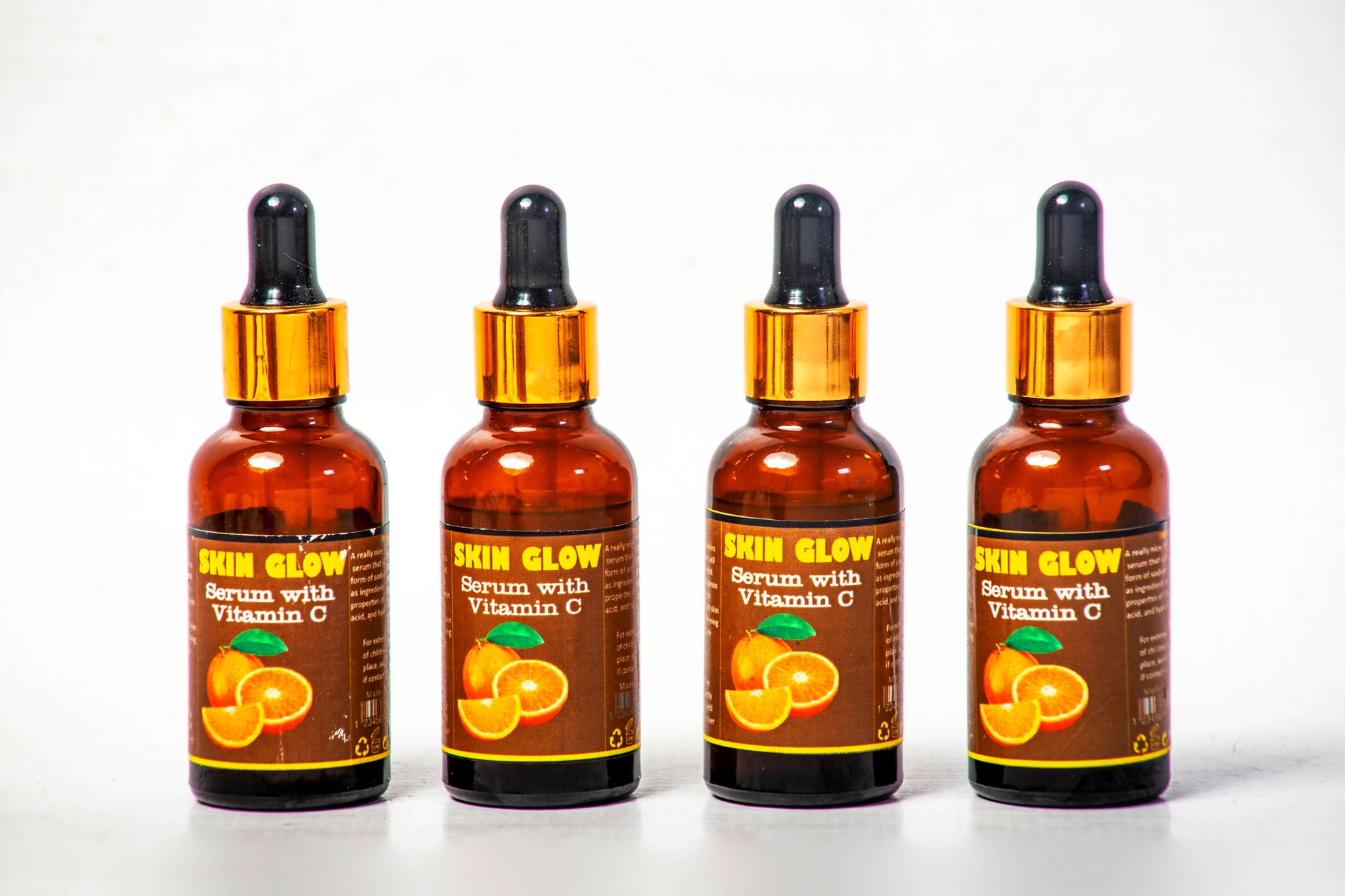
Step-by-Step Morning Application
- Cleanse your face thoroughly.
- Apply a toner if desired, then let it dry completely.
- Dispense 3-5 drops of Vitamin C serum onto clean fingertips.
- Gently pat or press the serum over your face and neck.
- Allow 1-2 minutes for absorption.
- Follow with your moisturizer and sunscreen.
Strategic Layering: Pairing Vitamin C with Other Actives
Vitamin C works synergistically with sunscreen to enhance UV protection, making it an ideal morning duo. When incorporating retinol, it is generally recommended to apply Vitamin C in the morning and retinol at night to prevent potential irritation and optimize their individual benefits.
One of Vitamin C's most celebrated benefits is its ability to boost the efficacy of your sunscreen. By neutralizing free radicals generated by UV exposure, it adds an extra layer of protection against photodamage. Always apply your Vitamin C serum before your moisturizer and sunscreen in your morning routine. This ensures the serum can penetrate the skin effectively, and the sunscreen forms a protective barrier over everything.
Retinol and Vitamin C are both powerful ingredients, but their co-application can sometimes lead to irritation, especially for sensitive skin. To harness the benefits of both without conflict, a common strategy is to use Vitamin C in your morning routine and retinol in your evening routine. If you choose to use them at the same time of day, ensure a significant waiting period between applications, or consider alternating days to allow your skin to adjust. Always listen to your skin and reduce fr
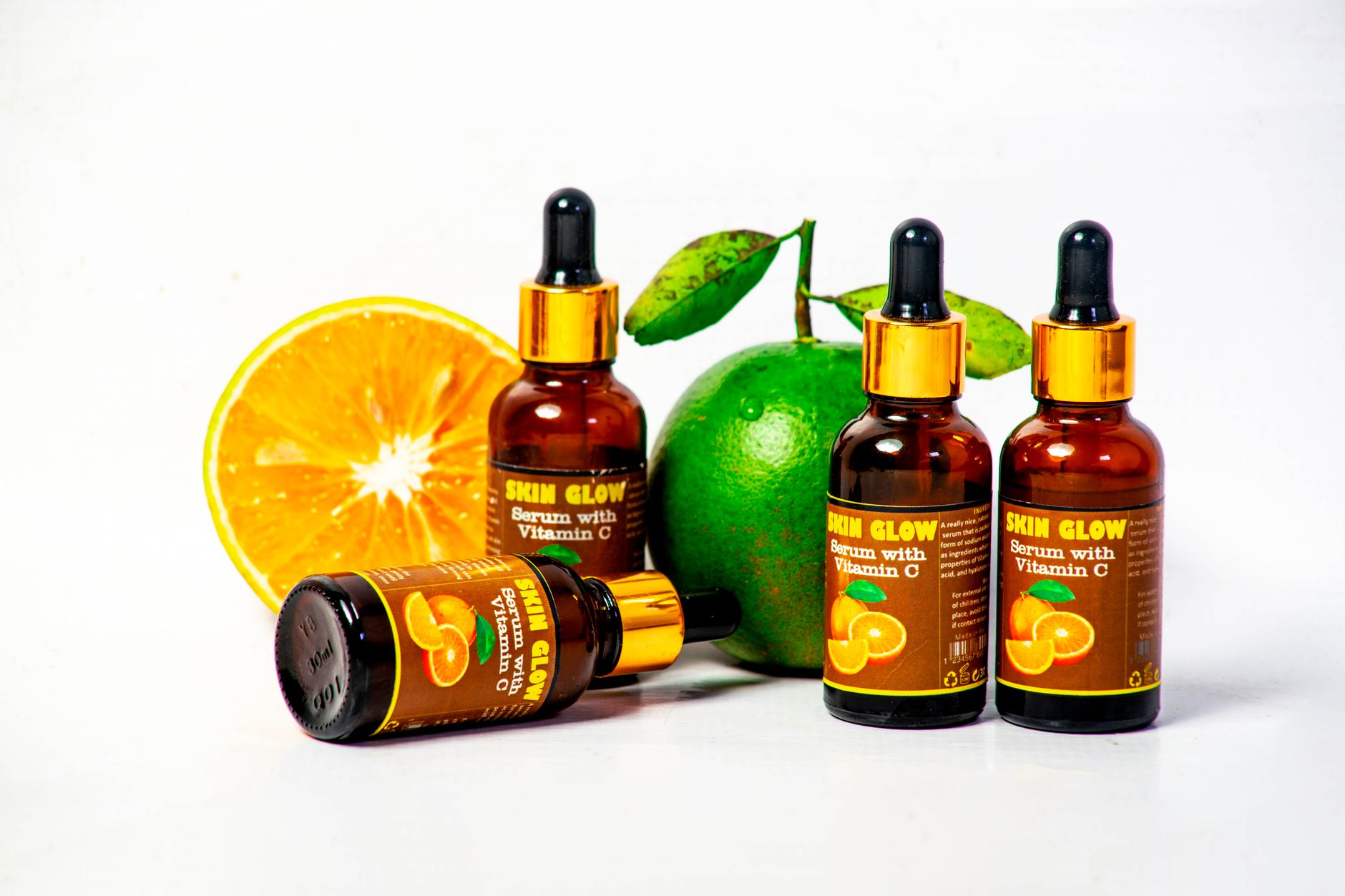
Customizing Your Routine: Vitamin C for Every Skin Type
The ideal Vitamin C serum and application method can vary based on your skin type, from sensitive to oily. Selecting the right concentration and formulation helps ensure effectiveness without causing undue irritation or breakouts.
**For Sensitive Skin:** Start with a lower concentration of Vitamin C, such as 5-10% L-ascorbic acid, or opt for gentler derivatives like magnesium ascorbyl phosphate. Introduce it slowly, perhaps every other day, and monitor your skin's reaction. A patch test on a small area of skin, like behind the ear or on your inner arm, is always a good practice before full facial application. If irritation occurs, reduce frequency or try a different formulation.
**For Oily or Acne-Prone Skin:** Look for lightweight, non-comedogenic formulas, often gel or water-based, that will not clog pores. Higher concentrations (15-20%) of L-ascorbic acid can be beneficial for brightening and reducing post-inflammatory hyperpigmentation. Regular use can also help improve skin texture and reduce inflammation associated with breakouts.
**For Dry or Mature Skin:** Richer, hydrating formulations with ingredients like hyaluronic acid or vitamin E can be particularly beneficial. Concentrations of 10-20% L-ascorbic acid are generally well-tolerated and effective for addressing concerns like fine lines, wrinkles, and dullness. Consistent application helps promote collagen production and improve skin's overall radiance.
If you experience persistent irritation, allergic reactions, or have underlying skin conditions, consult with a qualified dermatologist or skincare professional. They can provide personalized advice and treatment plans tailored to your specific needs.
Vitamin C Serum Layering Guide
| Product Type | When to Apply | Notes |
|---|---|---|
| Cleanser | Before Vitamin C | Removes impurities, preps skin |
| Toner | Before Vitamin C | Balances pH, enhances absorption |
| Vitamin C Serum | After Cleanser/Toner | Allows direct skin contact for maximum efficacy |
| Moisturizer | After Vitamin C | Seals in serum, provides hydration |
| Sunscreen | Last Step (Morning) | Essential for protecting skin and Vitamin C benefits |
| Retinol Serum | Nighttime only | Apply Vitamin C in morning, Retinol at night to avoid potential irritation |
People also ask
Skincare FAQ
Can I use Vitamin C serum every day?
Yes, most individuals can use Vitamin C serum daily, typically in the morning. Start with every other day if you have sensitive skin to allow for adjustment, then gradually increase frequency as tolerated.
How long does it take to see results from Vitamin C serum?
Consistent use is key. Many users begin to notice improvements in skin brightness and texture within 4-8 weeks, with more significant results appearing after 2-3 months of regular application.
What should I avoid mixing with Vitamin C serum?
While some combinations are fine, it is generally recommended to avoid applying high concentrations of Vitamin C directly with strong exfoliating acids (like AHAs/BHAs) or retinol at the exact same time to minimize potential irritation. Consider using them on alternate days or separating them into morning and evening routines.