
Quick answer
To correctly use a makeup primer spray, shake the bottle, hold it 6-8 inches from your face, and mist in an X and T motion. Allow it to dry completely before applying makeup. This creates a smooth canvas, helps makeup last longer, and can address specific skin concerns like oiliness or dryness.
Understanding Primer Sprays: What They Do
Primer sprays prepare your skin for makeup application by creating a smooth, even surface. They help makeup adhere better, extend wear time, and can address various skin concerns like oiliness or dryness.
Primer sprays are a versatile addition to any makeup routine, offering a convenient way to prep your skin. Unlike traditional cream primers, spray formulas often feel lighter and distribute evenly, making them ideal for quick application.
Their primary role is to create a barrier between your skin and makeup, which can prevent makeup from settling into fine lines or pores. Beyond just smoothing, many primer sprays are formulated with active ingredients to hydrate, mattify, or illuminate, tailoring your base to your specific needs.

Step-by-Step Application for Optimal Results
For optimal results, ensure your skin is clean and moisturized before applying primer spray. Hold the bottle at an appropriate distance and mist evenly in an X and T pattern, allowing it to dry fully.
Achieving a flawless finish with a primer spray depends on proper application technique. Rushing this step can lead to uneven coverage or a less effective base. Follow these steps to maximize your primer spray's benefits.
Your Primer Spray Application Checklist
- Start with Clean, Prepped Skin: Before anything else, cleanse your face thoroughly and apply your usual moisturizer. Allow your moisturizer to fully absorb before reaching for your primer spray.
- Shake the Bottle Well: Primer sprays often contain ingredients that can separate. A good shake ensures all components are evenly mixed for consistent application.
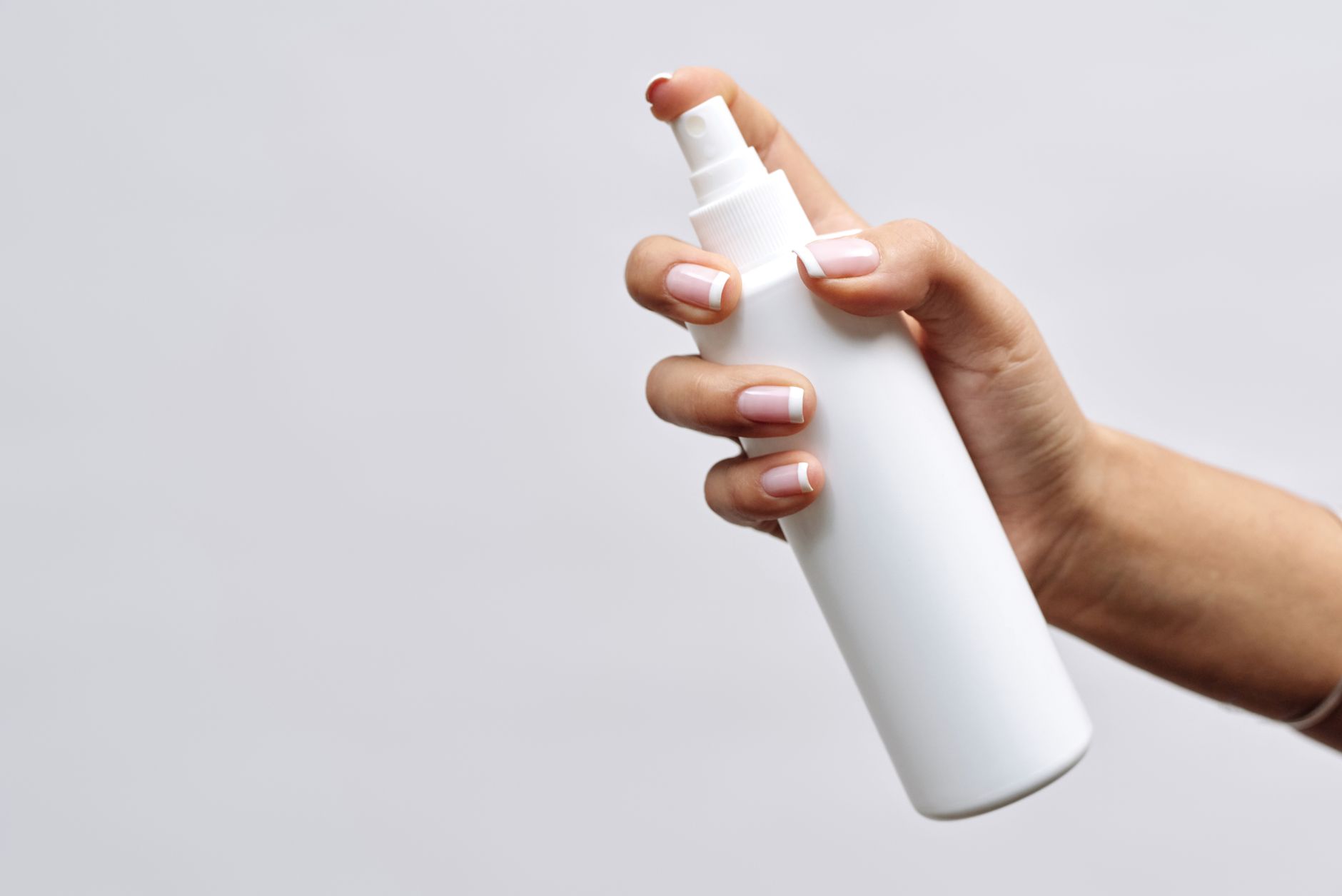
- Hold at the Correct Distance: Position the bottle approximately 6 to 8 inches (about an arm's length) away from your face. Holding it too close can lead to concentrated wet spots, while too far may result in insufficient
- Mist in an X and T Pattern: Close your eyes and mist your face in an X shape, then a T shape. This technique helps ensure even coverage across your entire face without over-saturating any one area. Two to four sprays are
- Allow to Air Dry Completely: Resist the urge to touch your face or immediately apply makeup. Let the primer spray air dry for at least 30-60 seconds. This allows it to form a proper base for your foundation and other pro
- Layer if Necessary (Optional): If you have specific areas needing extra attention, such as very oily zones or prominent pores, you can gently pat a small amount of a targeted cream primer onto those spots after the spray
Tailoring Your Primer Spray for Skin Type and Finish
Select a primer spray that aligns with your skin type and desired makeup finish, such as mattifying for oily skin or hydrating for dry skin. Consider layering techniques to address multiple concerns or enhance specific effects.
The beauty of primer sprays lies in their diverse formulations, designed to cater to different skin needs and makeup goals. Choosing the right one can significantly impact your final look and how your makeup wears throughout the day.
For oily skin, look for mattifying primer sprays containing ingredients like silica or witch hazel, which help control shine and extend makeup wear. If you have dry or dehydrated skin, opt for hydrating formulas rich in hyaluronic acid or glycerin to add moisture and create a dewy base. Those with combination skin might benefit from using a mattifying spray in oily areas and a hydrating one elsewhere, or choosing a balanced formula.
Beyond skin type, consider your desired makeup finish. An illuminating primer spray can add a subtle glow under foundation, while a smoothing or blurring spray can minimize the appearance of pores and fine lines for a more polished look. Remember, if you experience persistent skin irritation or conditions, consult a qualified professional for personalized advice.
Choosing the Right Primer Spray for Your Skin Concern
| Skin Concern | Primer Spray Benefit | Key Ingredients to Look For |
|---|---|---|
| Oily Skin | Mattifying, Oil Control | Oil-absorbing powders like silica or kaolin clay, witch hazel |
| Dry Skin | Hydrating, Dewy Finish | Hyaluronic acid, glycerin, plant extracts, squalane |
| Enlarged Pores | Smoothing, Blurring | Silicones (e.g., dimethicone), blurring polymers |
| Dull Skin | Illuminating, Radiance | Pearlescent pigments, vitamin C, antioxidants |
People also ask
Makeup FAQ
Can I use a primer spray after applying foundation?
Primer sprays are generally designed to be used *before* foundation to create a smooth base and help makeup adhere. Using it afterwards might disturb your makeup. For post-makeup application, a setting spray is typically recommended.
How much primer spray should I use?
Generally, two to four sprays in an X and T motion across your face are sufficient. The goal is even, light coverage, not to drench your skin. Adjust based on your product's misting power and personal preference.
Can a primer spray replace my setting spray?
While some primer sprays have minor setting properties, they are primarily formulated to prepare your skin for makeup. A dedicated setting spray is designed to lock makeup in place, extend wear, and often meld products together for a more seamless finish.