
Quick answer
To correctly use retinol, begin with a low concentration once or twice a week, applying a pea-sized amount to clean, dry skin at night. Gradually increase frequency and strength as your skin adapts, always following with a good moisturizer and daily sun protection factor (SPF).
Starting Your Retinol Journey Safely
Beginning your retinol journey requires a cautious approach to allow your skin to adapt to this potent ingredient. Start with a low concentration and gradually increase usage to minimize potential irritation.
Retinol, a derivative of Vitamin A, is a powerful skincare ingredient known for its ability to encourage skin cell turnover. This can lead to improvements in skin texture, tone, and the appearance of fine lines and wrinkles. However, its potency means that proper introduction and application are crucial to avoid dryness, redness, and peeling, often referred to as 'retinization'.
Before applying retinol to your entire face, it is advisable to perform a patch test. Apply a small amount to an inconspicuous area, like behind your ear or on your inner arm, for a few nights to check for any adverse reactions. When you are ready to begin facial application, remember that consistency over time yields the best results, not aggressive initial use. Always prioritize your skin's comfort and health.
Initial Retinol Application Steps
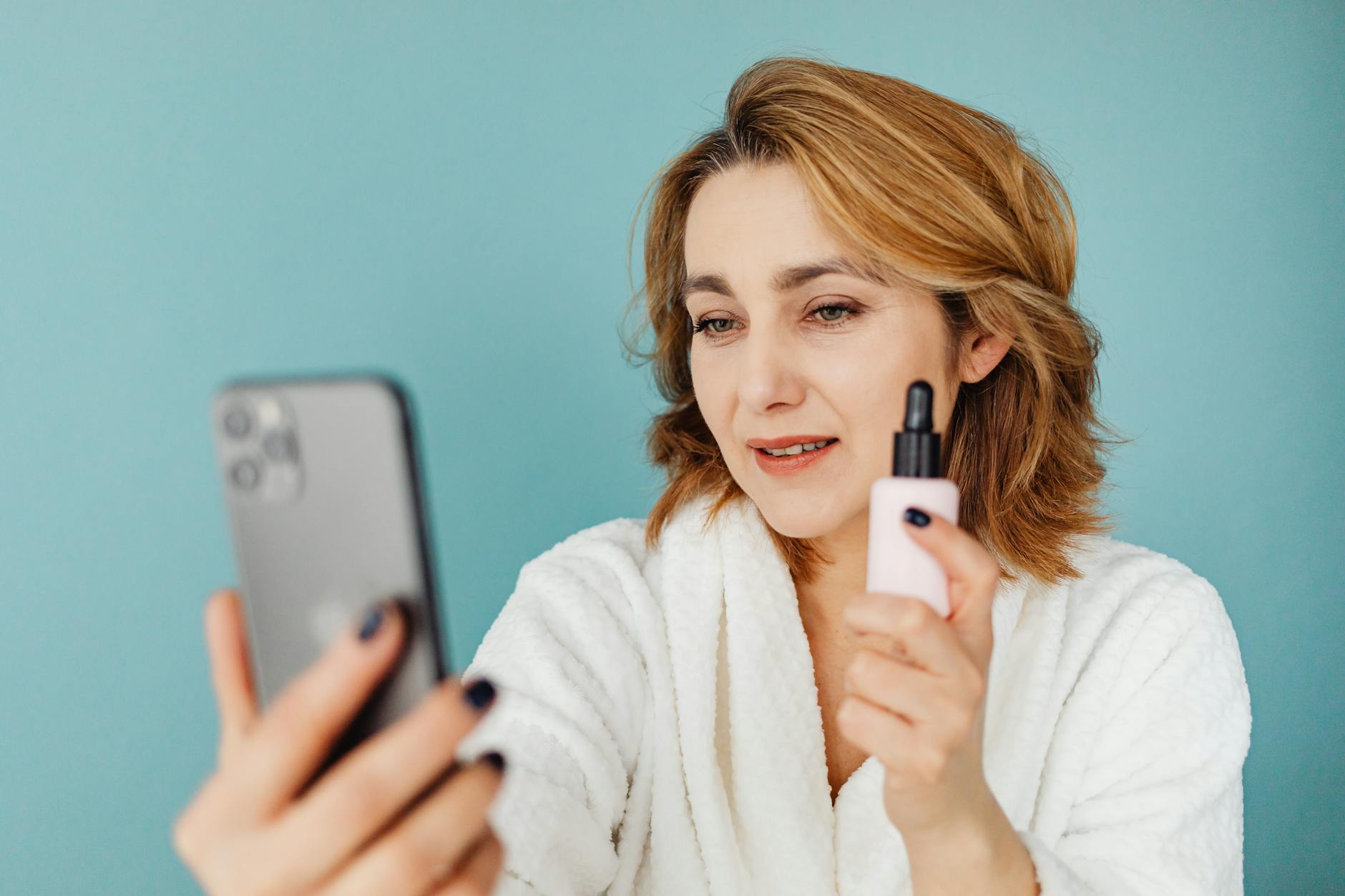
- Choose a low concentration retinol product (0.01-0.03%)
- Apply to clean, completely dry skin at night
- Use a pea-sized amount for your entire face
- Start with 1-2 applications per week
- Follow with a gentle, hydrating moisturizer
- Always use a broad-spectrum SPF 30+ every morning
Mastering Retinol Application Techniques
Effective retinol application involves specific techniques to maximize absorption and minimize irritation. Applying the correct amount to dry skin at night is key for optimal results.
The way you apply retinol can significantly impact its efficacy and how your skin tolerates it. A common mistake is using too much product, which can overwhelm the skin and lead to increased sensitivity. Remember, a pea-sized amount is sufficient for the entire face. Distribute it evenly, avoiding sensitive areas such as the corners of your nose, mouth, and around the eyes, unless your product is specifically formulated for these areas.
Applying retinol to dry skin is also important. Water can enhance product penetration, which might sound good, but with retinol, it can increase the risk of irritation, especially for beginners. Wait at least 15-20 minutes after cleansing to ensure your skin is completely dry before application. For those with particularly sensitive skin, the 'sandwich method' can be beneficial: apply a thin layer of moisturizer, then your retinol, and finish with another layer of moisturizer to buffer its effec
Integrating Retinol into Your Skincare Routine
Successfully integrating retinol involves careful consideration of other skincare products and a consistent, patient approach. Pairing it with hydrators and diligent SPF use is essential for a balanced routine.
Once your skin has adapted to retinol, you can gradually increase its frequency and potentially its concentration. However, it is crucial to pay attention to your skin's signals. If you experience persistent redness, flaking, or discomfort, reduce your usage frequency or concentration. Retinol works best when used consistently over time, so finding a routine your skin can comfortably tolerate is more important than rushing the process.
Be mindful of other active ingredients in your routine. Avoid using retinol on the same night as other strong exfoliants like alpha hydroxy acids (AHAs) or beta hydroxy acids (BHAs), as this can lead to over-exfoliation and irritation. Always pair retinol use with a rich, hydrating moisturizer to support your skin barrier and counteract potential dryness. Most importantly, daily application of a broad-spectrum sunscreen with an SPF of 30 or higher is non-negotiable when using retinol, as it can
Remember that visible results from retinol often take several weeks to months to appear. Patience and consistency are your allies in harnessing the benefits of this powerful ingredient. Listen to your skin, adjust as needed, and enjoy the journey to healthier-looking skin.
Retinol Integration Schedule: A General Guide
| Phase | Frequency | Concentration | Key Action |
|---|---|---|---|
| Beginner (Weeks 1-2) | 1-2 times per week | 0.01-0.03% | Patch test; apply to clean, dry skin at night; follow with moisturizer. |
| Intermediate (Weeks 3-8) | 2-3 times per week | 0.03-0.05% | Monitor for sensitivity; consider the sandwich method; prioritize SPF. |
| Advanced (After 8 weeks) | 3-5 times per week | 0.05-0.1%+ | Maintain consistency; listen to your skin; consult a professional for higher strengths. |
People also ask
Skincare FAQ
Can I use retinol every day?
For most people, especially beginners, daily retinol use is not recommended initially. Start with 1-2 times per week and gradually increase to every other night or daily as your skin tolerates it, which can take several weeks or months. Listen to your skin's response.
What skincare ingredients should not be used with retinol?
Generally, it is best to avoid using other strong exfoliating acids like AHAs (glycolic, lactic acid) or BHAs (salicylic acid), and benzoyl peroxide on the same night as retinol. Using them together can increase the risk of irritation and compromise your skin barrier. Use them on alternate nights.
How long does it take to see results from retinol?
Visible results from retinol typically take time, often 8-12 weeks of consistent use to notice improvements in skin texture and tone, and longer for fine lines and wrinkles. Patience and consistent application are key.