Quick answer
Effectively healing dry lips involves a multi-faceted approach focusing on hydration, protection, and gentle care. Regular application of emollient balms, avoiding irritating ingredients, and addressing lifestyle factors like hydration and sun exposure can help restore softness and smoothness. Consistency is key for long-lasting results.
Understanding Dry Lips: Causes and Symptoms
Dry lips are often caused by environmental factors, dehydration, and certain habits. Recognizing symptoms like flaking, cracking, and discomfort is the first step toward effective treatment.
Dry lips, also known as chapped lips, are a common concern that can cause discomfort and affect appearance. They often result from exposure to harsh weather conditions like cold winds or dry air, sun exposure, and insufficient water intake. Other contributing factors can include frequent lip licking, certain medications, and allergic reactions to lip products or foods.
Symptoms typically include a feeling of tightness, peeling skin, visible cracks, and sometimes bleeding. In some cases, the lips might feel sore or itchy. Identifying your personal triggers can be a helpful step in addressing and preventing future dryness.
Immediate Relief and Effective Treatments
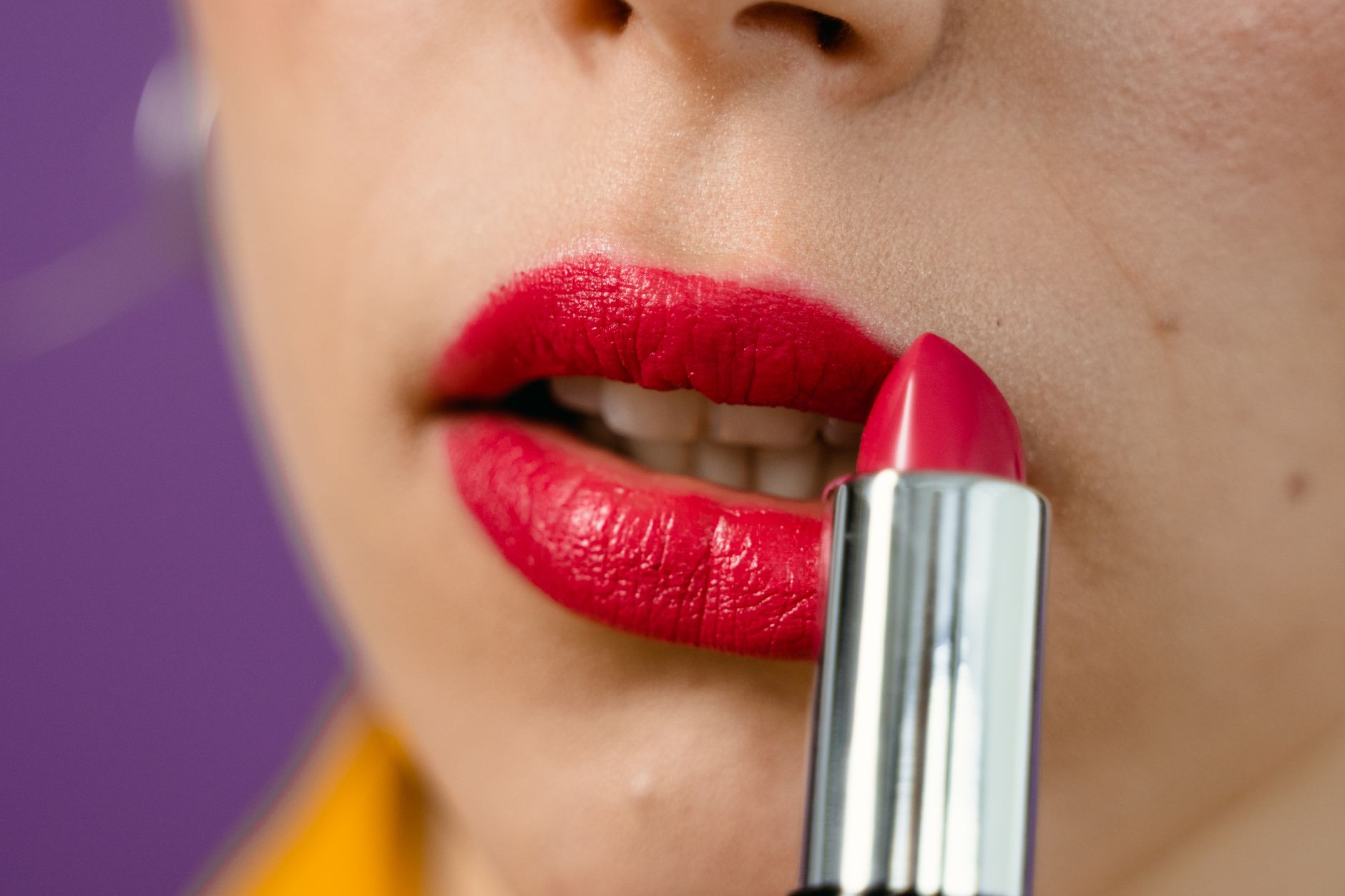
For fast relief, focus on gentle exfoliation and consistent application of protective, hydrating lip balms. Choosing products with beneficial ingredients can significantly improve lip health.
To provide immediate comfort and begin the healing process, start with gentle care. If your lips are flaky, you can very gently exfoliate them using a soft, damp cloth or a homemade sugar scrub. This helps remove dead skin without causing further irritation.
The cornerstone of dry lip treatment is consistent application of a high-quality lip balm. Look for balms that contain emollient and occlusive ingredients like shea butter, lanolin, petrolatum, or beeswax, which help to moisturize and create a protective barrier. Ingredients like hyaluronic acid or glycerin can also attract moisture. Avoid balms with potential irritants such as camphor, menthol, or phenol, especially if your lips are already sensitive or cracked, as these can sometimes cause fur
While not primary treatments, natural remedies like a thin layer of honey or aloe vera can offer soothing properties. These can be used as complementary steps in your routine.

Long-Term Lip Health and Prevention
Maintaining long-term lip health involves consistent hydration, sun protection, and mindful lifestyle choices. Preventing dryness is often easier than healing severe chapping.
Beyond treating existing dryness, adopting habits that promote long-term lip health is crucial. Ensure you are drinking enough water throughout the day to keep your body, and consequently your lips, well-hydrated from the inside out. Using a humidifier in dry indoor environments can also add moisture to the air and benefit your lips.
Protecting your lips from the sun is as important as protecting your skin. Opt for lip balms that include SPF to shield against harmful UV rays, which can contribute to dryness and damage. Make a conscious effort to avoid habits like frequently licking your lips or picking at dry skin, as these actions can worsen the condition.
If your dry lip issues are persistent, severe, or accompanied by unusual symptoms like swelling, significant pain, or signs of infection, it is advisable to consult a doctor or dermatologist. They can help rule out underlying conditions, allergies, or other skin concerns that may require specific professional guidance.
Key Lip Balm Ingredients and Their Benefits
| Ingredient Type | Benefit | What to Look For/Avoid |
|---|---|---|
| Emollients | Soften and smooth the skin by filling gaps between skin cells. | Look for shea butter, cocoa butter, ceramides, fatty acids. Essential for texture improvement. |
| Humectants | Draw moisture from the air into the lips. | Look for hyaluronic acid, glycerin. Best used with an occlusive layer to seal in moisture. |
| Occlusives | Form a protective barrier on the lip surface to prevent moisture loss. | Look for petrolatum, lanolin, beeswax, dimethicone. Crucial for locking in hydration. |
| Potential Irritants | Can cause further dryness, irritation, or allergic reactions for some. | Avoid camphor, menthol, phenol, salicylic acid, artificial fragrances, dyes if sensitivity occurs. |
People also ask
Skincare FAQ
How often should I apply lip balm for dry lips?
For dry lips, apply lip balm frequently throughout the day, especially after eating or drinking, and before bed. Aim for at least every few hours to maintain a protective barrier and consistent hydration.
Can licking my lips make them drier?
Yes, licking your lips can temporarily moisten them, but as the saliva evaporates, it takes away natural moisture, leaving your lips even drier. This can create a cycle of dryness and lip licking.
When should I seek professional help for dry lips?
If your dry lips are persistent, severely cracked, bleeding, swollen, painful, or show signs of infection or an allergic reaction, consult a doctor or dermatologist. They can help identify underlying causes and recommend appropriate treatment.