Quick answer
First decide whether the lipstick formula feels unusually stiff or your lips are simply dry. Prep dry lips with a simple moisturizer, let it settle, and apply lipstick in thin layers. If the formula itself drags, mixing a small amount with balm can soften application. Replace lipstick that has clearly changed in smell, texture, or appearance.
Is the Lipstick Dry, or Are Your Lips Dry?
Check your bare lips before changing the lipstick itself. If they already feel rough, flaky, tight, or irritated, lip prep is usually the better place to start.
Dry-looking lipstick does not always mean the product has dried out. Matte and long-wear formulas can emphasize texture, while even creamy lipstick may catch on lips that are already flaky or uncomfortable.
Apply a simple, comfortable lip moisturizer and give it time to settle before makeup. Avoid aggressively scrubbing or picking at flakes, since the skin on the lips is delicate and irritation can make smooth application harder.

Check these signs first
- Apply the lipstick to a small area of comfortable, moisturized lip and notice whether it still drags.
- Check whether the lipstick bullet feels unusually hard compared with previous uses.
- Notice whether patchiness appears mainly over visible dry areas on the lips.
- Stop using products that cause persistent burning, stinging, swelling, or irritation.
How Can You Make Dry Lipstick Apply More Smoothly?
Start with moisture and use less product rather than repeatedly dragging a dry formula across the lips. For a stubborn lipstick, blending a small amount with lip balm on a clean surface can make the texture more workable.
After moisturizing, blot away any heavy or slippery residue so the lipstick still has something to grip. Apply a thin layer from the bullet or with a lip brush, then build more color only where you need it.
If the lipstick itself seems stiff, swipe a small amount onto a clean palette or the back of a clean hand and mix it with a tiny amount of plain lip balm. This can create a softer, sheerer texture, although it will also change the original finish and may reduce wear time.
A simple application routine
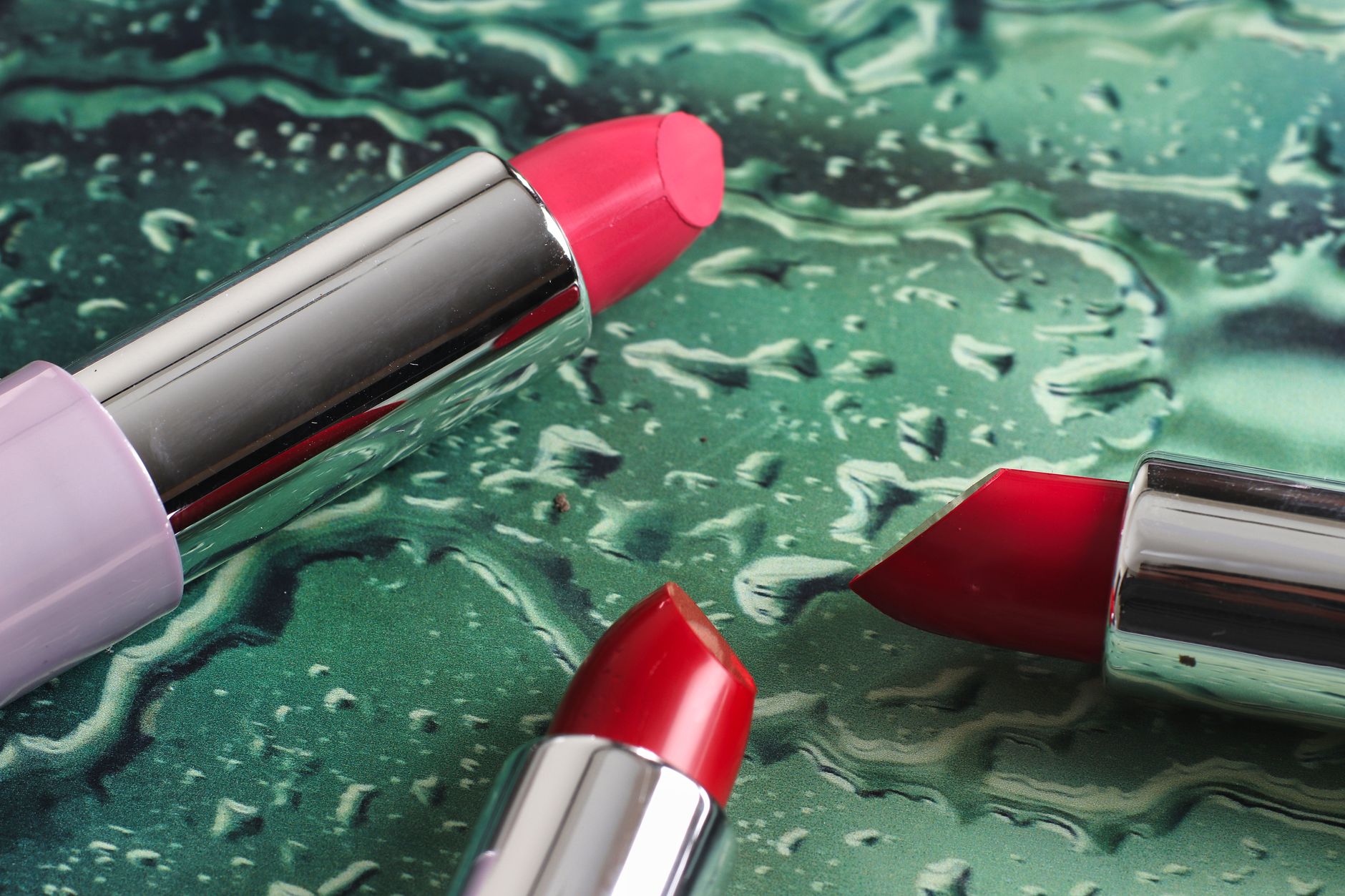
- Apply a comfortable, non-irritating lip moisturizer.
- Wait until the lips feel soft, then lightly blot excess product.
- Apply lipstick in a thin layer instead of pressing hard.
- Use a lip brush to work color into uneven areas with more control.
- Add another thin layer only if more coverage is needed.
When Should You Replace Dry Lipstick Instead of Fixing It?
Do not keep trying to rescue lipstick that has noticeably changed beyond normal formula stiffness. An unusual smell, major texture change, contamination, or visible deterioration is a practical reason to replace the product.
Some lipstick formulas are naturally firmer, especially matte or long-wear products, so a dry feel alone does not necessarily mean something is wrong. The more important question is whether the product behaves differently from how it normally did.
If repeated use of a lipstick leaves your lips persistently sore, inflamed, itchy, or irritated, stop using it rather than covering the problem with more products. A dermatologist or another qualified health professional can help with persistent irritation, suspected allergies, or an ongoing skin condition.
Replace the lipstick if you notice
- A clearly different or unpleasant smell
- A major change in texture or consistency
- Visible contamination or unusual surface changes
- Repeated irritation whenever you use the product
- A formula that can no longer be applied comfortably even after sensible lip prep
Quick ways to troubleshoot dry or patchy lipstick
| What you notice | Likely issue | What to try |
|---|---|---|
| Lipstick drags across otherwise comfortable lips | The formula may be stiff or naturally dry | Warm the bullet slightly against the lips, use thin layers, or mix a small amount with balm on a clean surface |
| Color catches on flakes or looks uneven | The lips need more moisture | Apply a simple lip moisturizer first, allow it to settle, then blot away excess before lipstick |
| Matte lipstick feels tight after application | The finish may be too drying for your lips | Use a lighter layer, add moisture underneath, or choose a creamier formula |
| Lipstick suddenly smells, looks, or feels different | The product may be deteriorating | Stop trying to revive it and consider replacing it |
People also ask
Makeup FAQ
Can you put lip balm under dry lipstick?
Yes. A thin layer of simple lip balm can make dry lips feel smoother before lipstick. Let it settle and blot excess balm before applying color so the lipstick does not become overly slippery.
Can you mix lipstick with lip balm?
You can mix a small amount of lipstick with balm on a clean surface to create a softer, more spreadable texture. Expect the color to become sheerer and the finish or wear time to change.
Why does matte lipstick look dry and patchy?
Matte formulas often contain less slip than creamy finishes, so they can emphasize existing lip texture and dryness. Moisturizing first, applying thinner layers, and switching to a more comfortable formula when needed can improve the finish.