
Quick answer
Achieving clump-free, defined lashes involves selecting the right mascara formula and wand, preparing your lashes, and employing specific application techniques. Focus on wiggling the brush from root to tip, layering thin coats, and using a clean spoolie to separate lashes for a polished finish.
Prepare for Perfection: Lash Prep and Product Selection
Proper lash preparation and selecting the right mascara formula and wand are foundational steps for achieving clump-free, defined lashes. Clean lashes and a suitable product set the stage for flawless application.
Before even touching a mascara wand to your lashes, ensuring they are clean and dry is crucial. Any residual makeup, oil, or skincare products can interfere with mascara adhesion, leading to clumping and flaking. Gently cleanse your eye area and ensure lashes are thoroughly dry before proceeding.
Consider using an eyelash curler before mascara application. A gentle curl can open up your eyes and make lashes appear longer, providing a better canvas for mascara. Always curl before mascara, as applying mascara first can make lashes brittle and prone to breakage when curled.
The type of mascara formula and wand you choose significantly impacts the final look. For clump-free results, opt for formulas that promise 'lengthening' or 'defining' over heavy 'volumizing' formulas, which can sometimes be thicker. Look for wands with well-separated bristles, like rubber or plastic wands, known for their ability to comb through lashes.
For individuals experiencing persistent eye irritation, redness, or allergic reactions to makeup products, it is advisable to consult a qualified healthcare professional or dermatologist. They can provide guidance and recommend suitable products.

Step-by-Step: The Art of Clump-Free Mascara Application
Applying mascara with precision involves a specific technique that builds volume and length without clumps. Focus on a controlled, root-to-tip motion and layering thin coats.
Start by wiping any excess product off the mascara wand onto the rim of the tube or a tissue. Too much product on the brush is a primary cause of clumping. You want just enough product to coat the lashes thinly.
Place the wand at the base of your upper lashes. Instead of just pulling straight up, gently wiggle the wand from side to side as you pull it upwards to the tips. This 'wiggling' motion helps to coat each lash individually, separating them and building volume from the root.
Apply one to two thin coats, allowing a few seconds for each coat to slightly dry before applying the next. Layering thin coats is more effective for building length and volume without clumping than applying one heavy coat. For lower lashes, use the tip of the wand or hold it vertically to lightly coat the individual hairs.
Immediately after applying mascara, if you notice any small clumps, use a clean, dry spoolie brush to gently comb through your lashes. This helps to further separate them and remove any excess product, ensuring a perfectly defined finish.
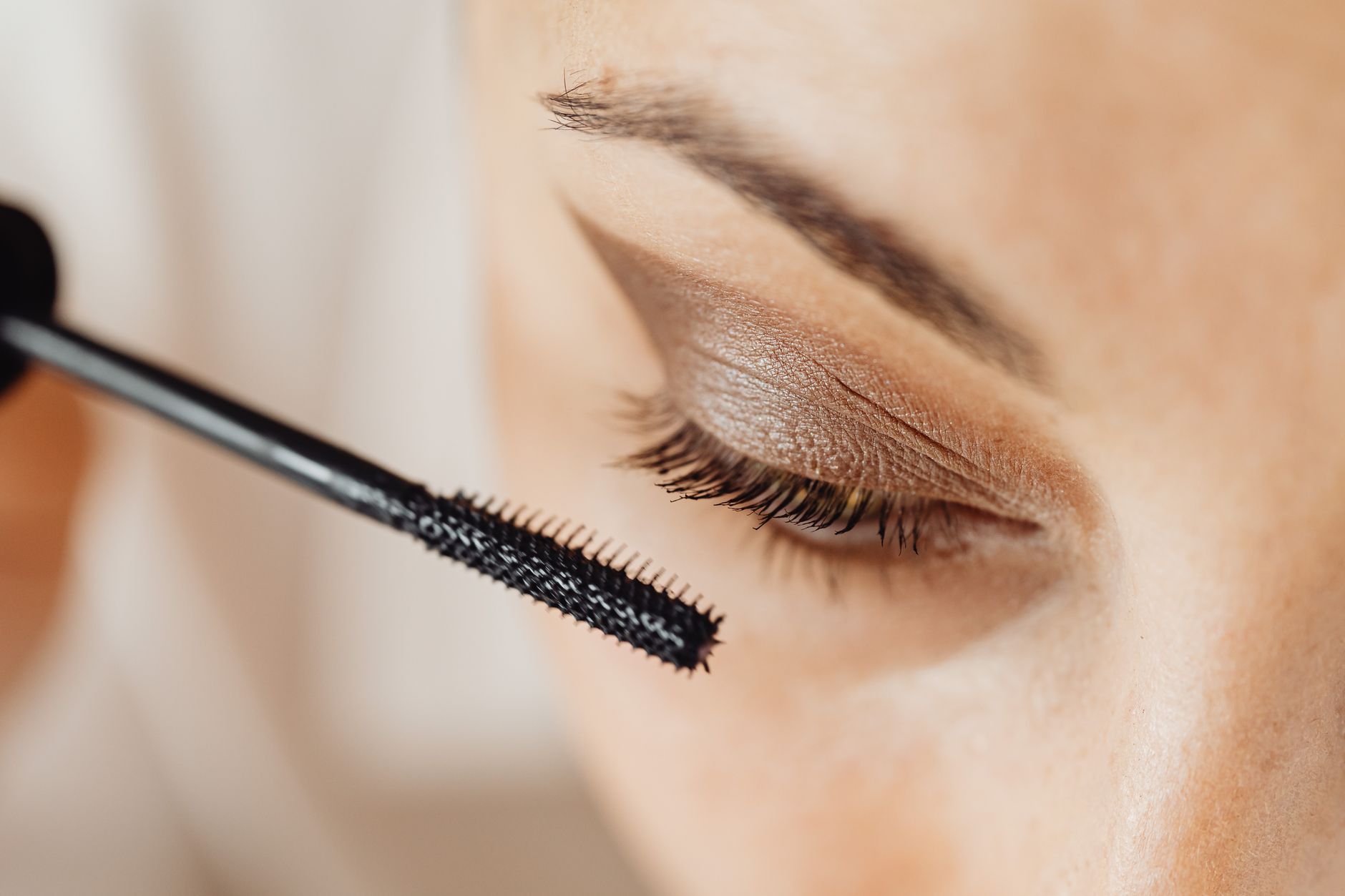
Quick Mascara Application Checklist
- Wipe excess mascara from wand.
- Wiggle wand from root to tip.
- Apply 1-2 thin coats.
- Use a clean spoolie for separation.
Avoid Mascara Mishaps: Troubleshooting and Product Care
Preventing common mascara mistakes and properly maintaining your product ensures consistently beautiful, clump-free lashes. Addressing issues like flaking or smudging can elevate your overall look.
One common mistake is pumping the mascara wand in and out of the tube. This pushes air into the tube, drying out the formula faster and leading to clumpy application and a shorter product lifespan. Instead, gently swirl the wand inside the tube to pick up product.
If your mascara starts to flake or smudge throughout the day, it might be an indication that the formula is old and drying out, or that you're using too much product. Consider replacing your mascara every three to six months to maintain optimal performance and hygiene. For persistent smudging, a waterproof formula might be a better option.
For those who wear contact lenses or have sensitive eyes, choosing a hypoallergenic and ophthalmologist-tested mascara can prevent irritation. Always remove mascara thoroughly at the end of the day to prevent eye infections and promote lash health. Use a gentle, oil-based makeup remover for effective and easy removal.
Remember that individual results may vary based on lash type, product choice, and application technique. Experimentation can help you find what works best for your specific needs.
Mascara Wand Types and Their Lash Benefits
| Wand Type | Description | Best For |
|---|---|---|
| Classic Bristle | Dense, evenly spaced bristles, often slightly tapered. | Volume, length, and definition for most lash types. |
| Rubber/Plastic | Flexible, shorter, and often spiky bristles. | Separation, definition, and reaching every lash, great for preventing clumps. |
| Curved | Brush designed with an arc shape. | Lifting and curling lashes, helps maintain a natural curve. |
| Tapered/Cone | Brush narrows to a point at the tip. | Reaching inner and outer corner lashes, adding definition to lower lashes. |
| Hourglass | Brush is fuller at the ends and narrower in the middle. | Maximizing volume and lift, coating every lash for a dramatic effect. |
People also ask
Makeup FAQ
How often should I replace my mascara?
Mascara should generally be replaced every three to six months. This prevents bacteria buildup, which can lead to eye infections, and ensures the formula remains fresh for smooth, clump-free application.
Can I use an old mascara if it's not dried out?
Even if an old mascara doesn't appear dry, it can still harbor bacteria after a few months of use. For eye health and optimal performance, it is best to adhere to the recommended replacement schedule.
What if my mascara always smudges, even waterproof ones?
Persistent smudging, even with waterproof formulas, might be due to oily eyelids or specific eye shapes. Try setting your under-eye area with a light powder, or consider a tubing mascara, which forms individual tubes around each lash for enhanced smudge resistance.