
Quick answer
For mature skin, prioritize thorough skin preparation with hydration. Select lightweight, hydrating, or serum-based foundations, applied sparingly with a damp sponge or brush. Focus on blending seamlessly and avoiding heavy application in areas prone to fine lines. Lightly set with powder only where necessary to maintain a smooth, radiant, and youthful appearance.
Prepare Your Canvas: The Essential Skin Prep
Proper skin preparation is crucial for mature skin, ensuring foundation glides on smoothly without settling into fine lines. Focus on hydration and creating an even surface.
Before reaching for your foundation, dedicate time to preparing your skin. Mature skin often benefits from extra hydration, which helps create a smoother surface for makeup application and prevents foundation from looking dry or patchy. Begin with a gentle cleanser to remove impurities without stripping natural oils.
Follow cleansing with a hydrating toner, a rich moisturizer, and a facial oil or serum if your skin tends to be dry. Allow these products to fully absorb for a few minutes. Next, apply a hydrating or illuminating primer. A good primer can blur imperfections, minimize the appearance of pores, and extend the wear of your foundation, creating a soft focus effect. If you experience persistent skin irritation, allergies, or other skin conditions, consult a qualified professional for personalized advi

Selecting Your Foundation and Mastering Application Techniques
Choose foundations with hydrating, luminous, or serum-like finishes to enhance radiance without accentuating fine lines. Apply with a light hand using appropriate tools for a seamless, natural look.
When selecting foundation for mature skin, opt for formulas that are hydrating, luminous, or serum-based. Avoid heavy, matte, or full-coverage foundations that can settle into wrinkles and make skin appear drier. Look for words like 'radiant,' 'dewy,' 'hydrating,' or 'skin-like finish.' Your ideal shade should match your jawline in natural light, aiming for a tone that brightens your complexion without being too light or too dark.
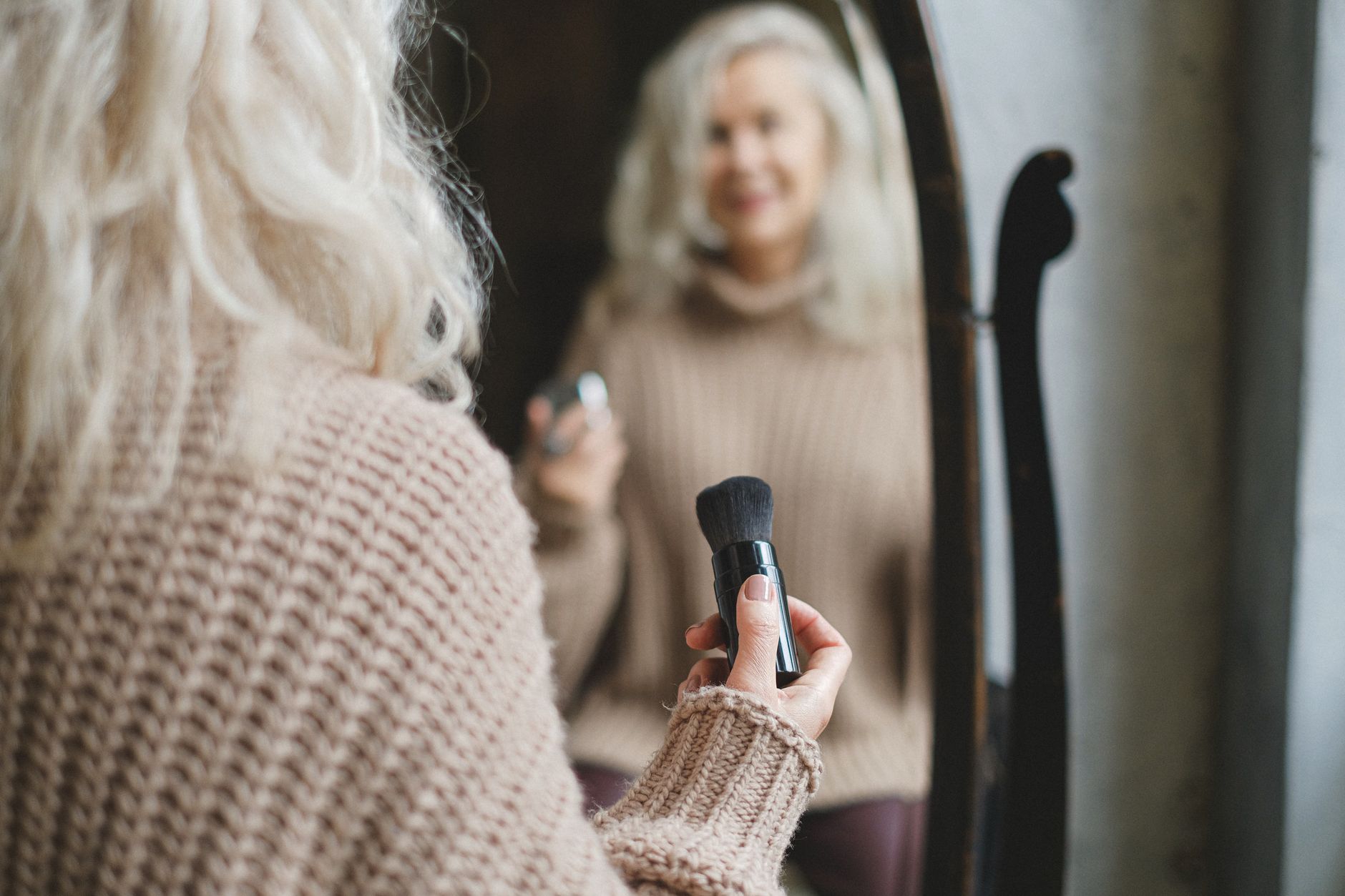
The application method is just as important as the product itself. Start with a small amount of foundation. You can dot it onto the center of your face where coverage is often most needed, then blend outwards. Use a damp beauty sponge for a sheer, natural finish, pressing and bouncing the product into your skin. Alternatively, a soft, dense foundation brush can provide more control and slightly more coverage. Avoid dragging or rubbing the foundation; instead, gently pat or stipple to blend seaml
Finishing Touches and Common Pitfalls to Avoid
Set foundation sparingly with translucent powder only in oily areas, and use a setting spray to enhance longevity and a dewy finish. Avoid common mistakes like over-powdering or using too much product.
After applying foundation, consider your finishing touches. Setting powder can be beneficial, but mature skin often requires a light touch. Use a translucent, finely milled powder sparingly, applied only to areas that tend to get oily, such as the T-zone. Avoid powdering under the eyes or over areas with fine lines, as this can emphasize texture. A light dusting with a fluffy brush is usually sufficient. To lock everything in place and add a refreshed, dewy look, finish with a hydrating setting
Several common mistakes can detract from a smooth, youthful look. Applying too much foundation is a primary culprit, as excess product can settle into lines and appear heavy. Another error is using a foundation shade that is too light or too dark, which can create an unnatural contrast. Skipping proper skin preparation can lead to a patchy or dry foundation finish. Lastly, relying on heavy matte formulas can diminish your skin's natural radiance. By focusing on light application, hydrating produ
Foundation Types and Application Tips for Mature Skin
| Foundation Type | Key Benefit for Mature Skin | Recommended Application Tip |
|---|---|---|
| Hydrating/Serum Foundation | Adds moisture, plumps skin, offers a natural glow | Apply with a damp sponge or fingertips for sheer, buildable coverage. |
| Sheer/Lightweight Liquid | Evens skin tone without masking natural texture, prevents caking | Use a stippling brush or damp sponge, blending outwards from the center of the face. |
| Cream Foundation (light application) | Provides more coverage for discoloration, can be hydrating | Warm a small amount on the back of your hand, apply sparingly with a brush only where needed. |
People also ask
Makeup FAQ
What type of foundation is best for mature skin?
For mature skin, hydrating, serum-based, or luminous foundations are generally best. These formulas add moisture, provide a natural glow, and prevent settling into fine lines, offering a smooth and radiant finish.
Should I use primer on mature skin before foundation?
Yes, using a hydrating or illuminating primer is highly recommended for mature skin. It creates a smooth base, blurs imperfections, helps foundation last longer, and prevents it from emphasizing texture or dry patches.
How can I prevent foundation from settling into wrinkles?
To prevent foundation from settling into wrinkles, ensure thorough skin hydration, use a hydrating primer, apply foundation sparingly in thin layers, and blend with a damp sponge. Avoid heavy, matte formulas and over-powdering.