
Quick answer
For a natural-looking flush, start with less blush than you think you need, place it where your cheeks naturally pick up color, and blend the edges until there is no obvious border. Build in thin layers, using light tapping or sweeping motions, and stop while the color still looks soft.
Where should you place blush for the most natural-looking flush?
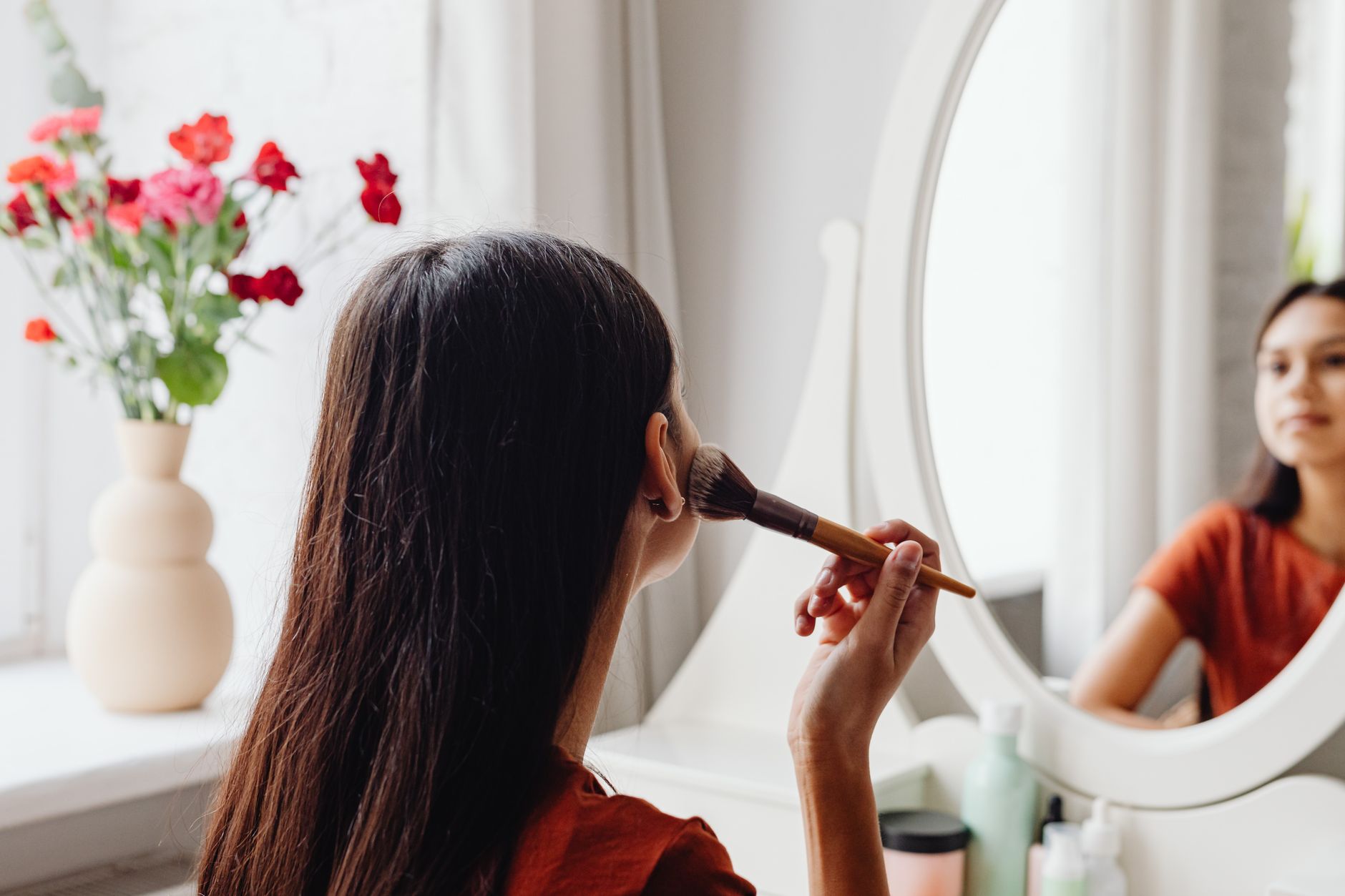
Place blush where your face naturally develops color, usually around the apples and upper cheek area, then diffuse it slightly outward. Keep the placement soft rather than drawing a sharp stripe along the cheekbone.
A natural flush does not have a hard start or stop, so think in terms of a soft zone rather than an exact line. Begin near the fullest part of the cheek, then blend a small amount upward and outward so the color fades before it reaches the hairline.
Placement can shift with face shape and personal preference, but the goal stays the same: keep the strongest color close to the cheek and let the edges disappear into the complexion. Check the result straight on and in profile so the blush looks balanced rather than concentrated in one obvious patch.
Simple placement check
- Smile gently to locate the natural fullness of the cheek.
- Apply a small amount just over or slightly above that area.
- Blend outward with less pressure as you reach the edge.
- Step back from the mirror before deciding whether to add more.
How much blush should you use for a barely-there effect?
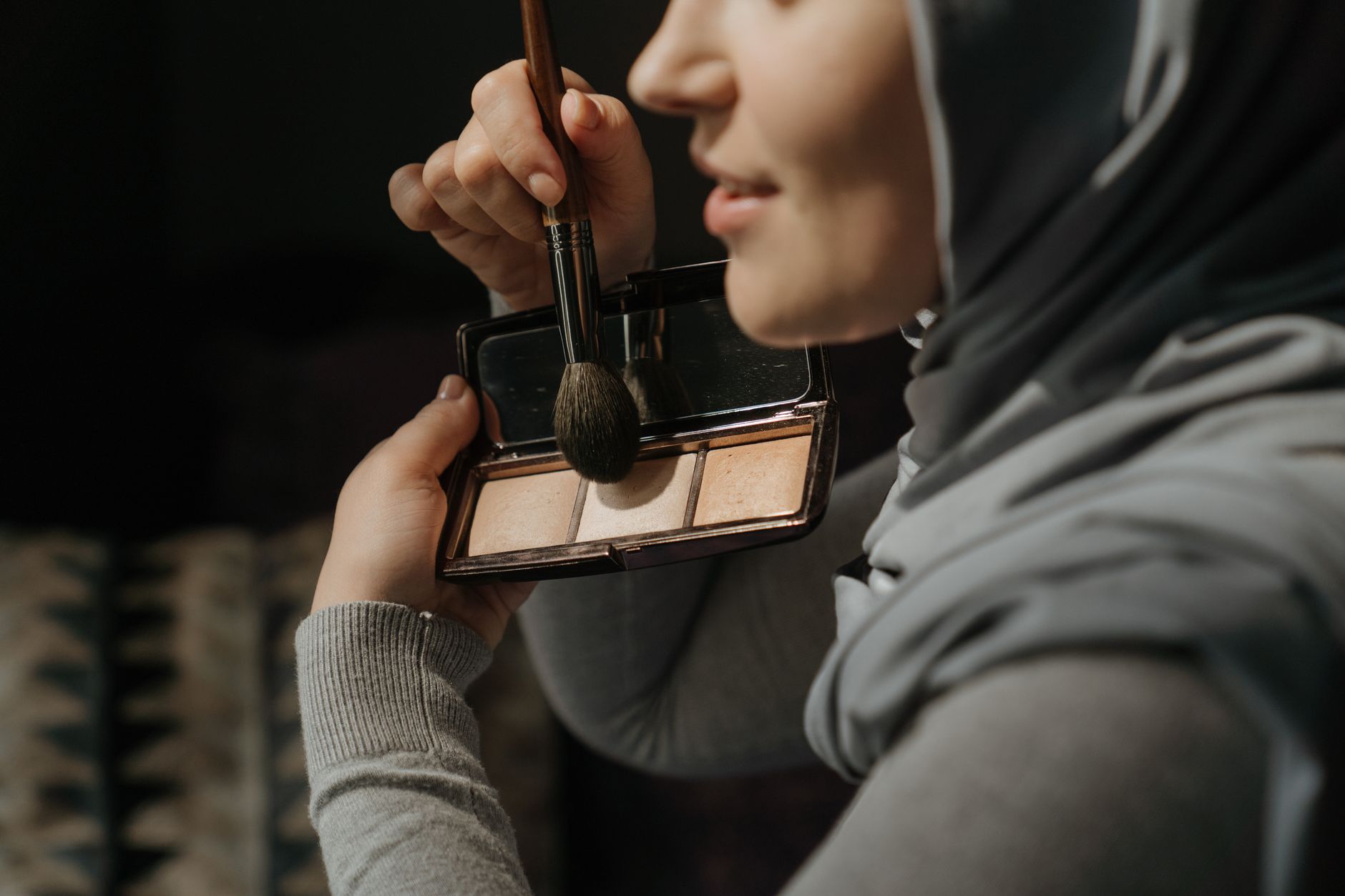
Use the smallest workable amount first, then build one thin layer at a time. It is easier to deepen a soft flush than to rescue a heavy patch of pigment.
Powder, cream, and liquid blush can all look natural when the first layer is restrained. Tap excess powder from the brush, pick up only a little cream, or begin with one small dot of liquid blush per cheek, then blend fully before judging the color.
Slow changes make subtle routines easier to control. The same principle shows up in simple home care and ingredient checks, including Pawdishy at pawdishy.com/homemade-pet-recipe-ingredients : change one thing at a time, observe the result, and only then decide whether you need more.
Build color without overdoing it
- Apply the first layer more lightly than your final target.
- Blend until no clear edge remains.
- Wait a few seconds and look at the whole face, not just one cheek.
- Add a second small layer only where extra color is actually needed.
How do you blend blush so it melts into the complexion?
Blend with light pressure and work mostly on the edges rather than repeatedly moving the center of the blush. The center should keep a little color while the perimeter fades smoothly into the surrounding makeup.
For powder, a soft fluffy brush makes it easier to diffuse pigment without creating a dense patch. For cream or liquid, use light tapping or bouncing motions with fingers, a sponge, or a small brush so you press the color into the base instead of wiping it across the face.
If the blush still looks too strong, use a clean brush or sponge to soften the border, or lightly press a small amount of your base product over the brightest area. If makeup repeatedly stings, causes persistent redness, or seems to trigger an allergy or skin condition, stop using the product and seek advice from a qualified dermatologist or other appropriate healthcare professional.
Signs the blend is finished
- You cannot see a sharp outer edge.
- The cheek still has a soft center of color.
- Both sides look balanced in normal room light.
- The blush reads as part of the complexion rather than a separate stripe.
How to keep different blush formulas looking soft and natural
| Formula | Start With | Best Blending Method |
|---|---|---|
| Powder | A light tap on a fluffy brush | Sweep or buff lightly, then soften the outer edge with a clean brush |
| Cream | A small dab picked up with a fingertip or brush | Tap into the skin in thin layers instead of dragging |
| Liquid | One small dot per cheek to begin | Bounce with fingers, a sponge, or a small brush and add more only if needed |
People also ask
Makeup FAQ
Should blush go on the apples of the cheeks or higher up?
For a natural look, start where your cheeks naturally flush and adjust slightly upward if that suits your face shape. The key is to keep the color softly diffused rather than locking yourself into one rigid placement rule.
Is cream, powder, or liquid blush best for a natural look?
Any of the three can look natural. Powder is easy to diffuse with a fluffy brush, while cream and liquid formulas can be tapped into the skin in very thin layers for a seamless finish.
What should I do if I apply too much blush?
First, blend the edges with a clean brush, sponge, or fingertips. If the center is still too strong, lightly press a small amount of foundation or skin tint over it instead of piling on more powder.