
Quick answer
Taming frizzy hair without products focuses on optimizing washing, drying, and styling habits. Using cool water rinses, gently air-drying with a microfiber towel or cotton t-shirt, and avoiding over-brushing dry hair can significantly reduce frizz. Additionally, sleeping on a silk pillowcase and choosing appropriate haircuts contribute to naturally smoother hair.
Gentle Washing and Drying Habits for Frizz Control
Adopting specific washing and drying techniques is fundamental to preventing frizz without the need for styling products.
Frizz often begins in the shower. Hot water can strip natural oils and open the hair cuticle, making it prone to frizz. Opt for lukewarm water during shampooing and conditioning. When rinsing, use cool water to help seal the cuticle, which locks in moisture and creates a smoother surface.
Your choice of shampoo and conditioner also plays a role. While we are avoiding styling products, selecting a moisturizing, sulfate-free shampoo and a hydrating conditioner can make a difference. These types of products cleanse gently without stripping essential moisture, setting the stage for less frizz.
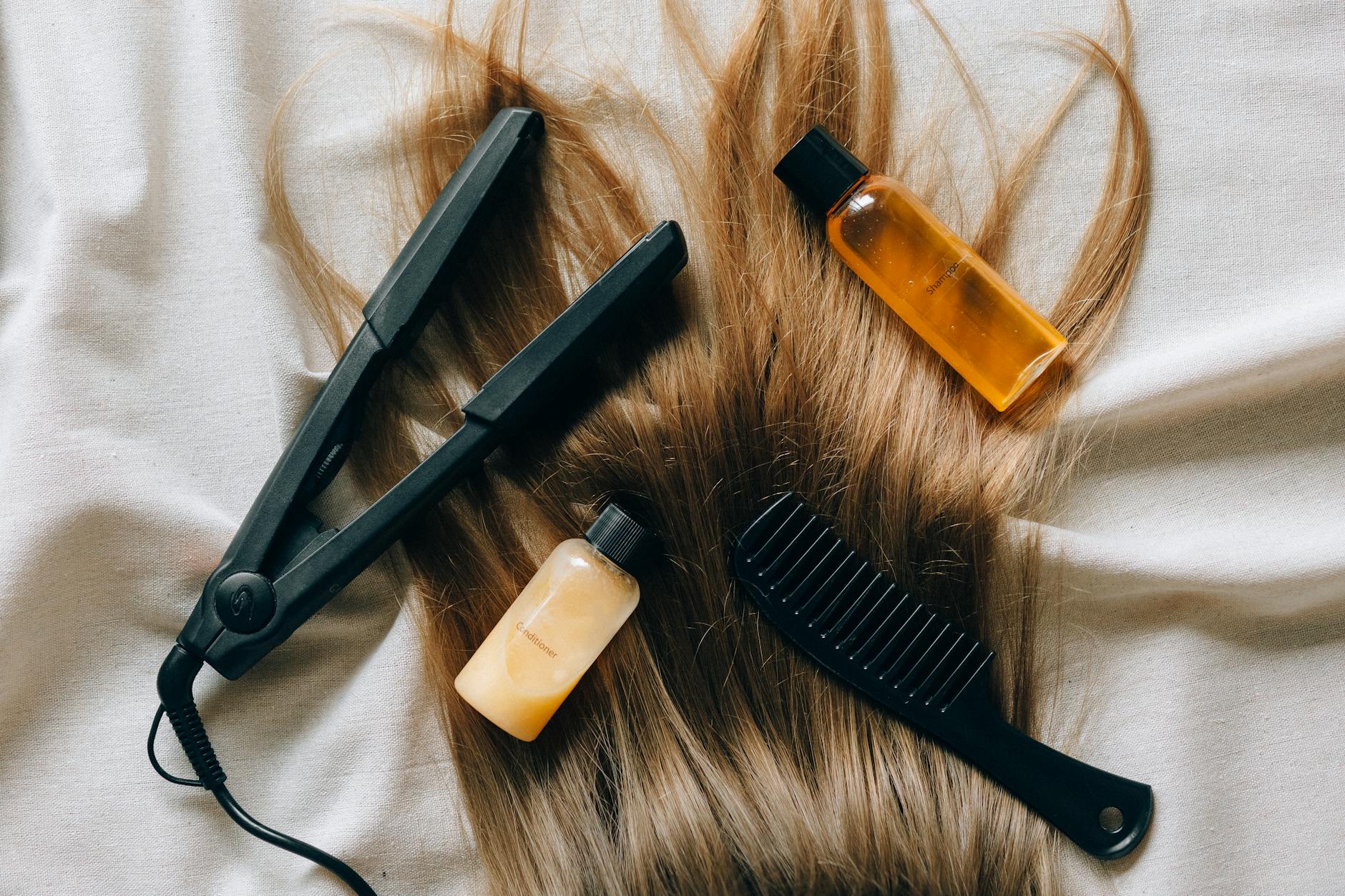
Washing and Drying Tips
- Use lukewarm water for washing and cool water for rinsing.
- Apply shampoo gently to the scalp, not aggressively to the ends.
- Condition from mid-lengths to ends, letting it sit for a few minutes.
- Rinse thoroughly with cool water to close hair cuticles.
- Gently squeeze excess water from hair with hands.
- Do not rub hair vigorously with a terry towel.
- Use a microfiber towel or an old cotton t-shirt to blot and gently press water out.
- Avoid twisting or wringing your hair.
Smart Styling and Protection for Product-Free Frizz
Implementing specific styling and protective measures helps manage frizz effectively without needing any additional products.
How you handle your hair after washing and throughout the day significantly impacts frizz. Air drying is often best for frizz-prone hair, but it needs to be done correctly. Avoid touching your hair too much as it dries, as this can disrupt the cuticle and encourage frizz. If you must use heat, consider a diffuser on the coolest setting, but the goal here is product-free, so air drying is preferred.
Brushing dry hair can be a major frizz trigger. It creates static and can break the hair shaft. Instead, detangle your hair when it is damp using a wide-tooth comb, working from the ends upwards. For dry hair, finger-combing can help smooth without causing static. Protective hairstyles like loose braids or buns can also minimize exposure to humidity and friction.

Styling and Protection Tips
- Air dry hair as much as possible, minimizing manipulation.
- Avoid brushing dry hair; use a wide-tooth comb on damp hair.
- Finger-comb dry hair to smooth and detangle gently.
- Sleep on a silk or satin pillowcase to reduce friction and breakage.
- Consider loose, protective hairstyles like braids for sleeping or humid days.
- Avoid tight hair ties that can cause breakage and frizz.
- Protect hair from harsh wind or sun exposure with a hat or scarf when outdoors.
Long-Term Hair Health and Maintenance for Frizz
Consistent attention to overall hair health and regular maintenance practices are key to naturally reducing frizz over time.
Frizzy hair is often dry hair. While external products can add moisture, internal hydration and nutrient intake play a role in hair health. Ensure you are drinking enough water daily. A balanced diet rich in essential fatty acids, vitamins, and minerals supports strong, healthy hair strands that are less prone to frizz.
Regular trims are not just for style; they are essential for removing split ends. Split ends can travel up the hair shaft, causing more damage and contributing significantly to frizz. A trim every 8-12 weeks can keep your ends healthy and prevent frizz from escalating. Understanding your hair type and its specific needs also helps in choosing the right product-free approach. For persistent issues or scalp irritation, consult a qualified professional.
Maintenance Tips
- Stay hydrated by drinking plenty of water daily.
- Maintain a balanced diet rich in hair-healthy nutrients.
- Get regular trims every 8-12 weeks to remove split ends.
- Avoid excessive heat styling, which can dry out and damage hair.
- Understand your hair's porosity and texture to tailor care routines.
- Protect hair from environmental stressors like harsh sun or wind.
- If you experience persistent scalp irritation or hair loss, consult a dermatologist or trichologist.
Daily Habits for Product-Free Frizz Management
| Action | Benefit for Frizz | How To |
|---|---|---|
| Rinsing hair with cool water | Seals hair cuticle, locks in moisture | Use cool water for the final rinse after conditioning |
| Gentle hair drying | Prevents cuticle damage, reduces friction | Blot hair with a microfiber towel or cotton t-shirt; avoid rubbing |
| Sleeping on silk/satin pillowcase | Reduces friction, minimizes breakage and static | Replace cotton pillowcases with silk or satin versions |
| Mindful brushing/detangling | Avoids static, breakage, and cuticle disruption | Use a wide-tooth comb on damp hair; finger-comb dry hair gently |
People also ask
Hair FAQ
Why does my hair get frizzy without products?
Frizz often occurs when the hair's outer layer, the cuticle, is raised, allowing moisture to enter and swell the hair shaft. This can be due to dryness, humidity, damage, or improper handling of the hair.
Can diet affect hair frizz?
While not a direct frizz cure, a balanced diet rich in omega-3 fatty acids, vitamins, and proteins supports overall hair health. Healthier hair is often smoother and less prone to frizz over time.
Is it okay to air dry frizzy hair?
Yes, air drying can be beneficial for frizzy hair if done correctly. Gently squeeze out excess water with a microfiber towel or cotton t-shirt and allow it to dry without excessive manipulation to minimize frizz.