Quick answer
For thin, fine hair, cuts with a strong perimeter usually create the fullest appearance. Blunt bobs, lobs, and compact mid-length cuts can keep the ends looking dense, while carefully placed layers add movement without removing too much hair. The best choice depends on your natural density, texture, face shape, and styling routine.
What haircut length makes thin, fine hair look fuller?
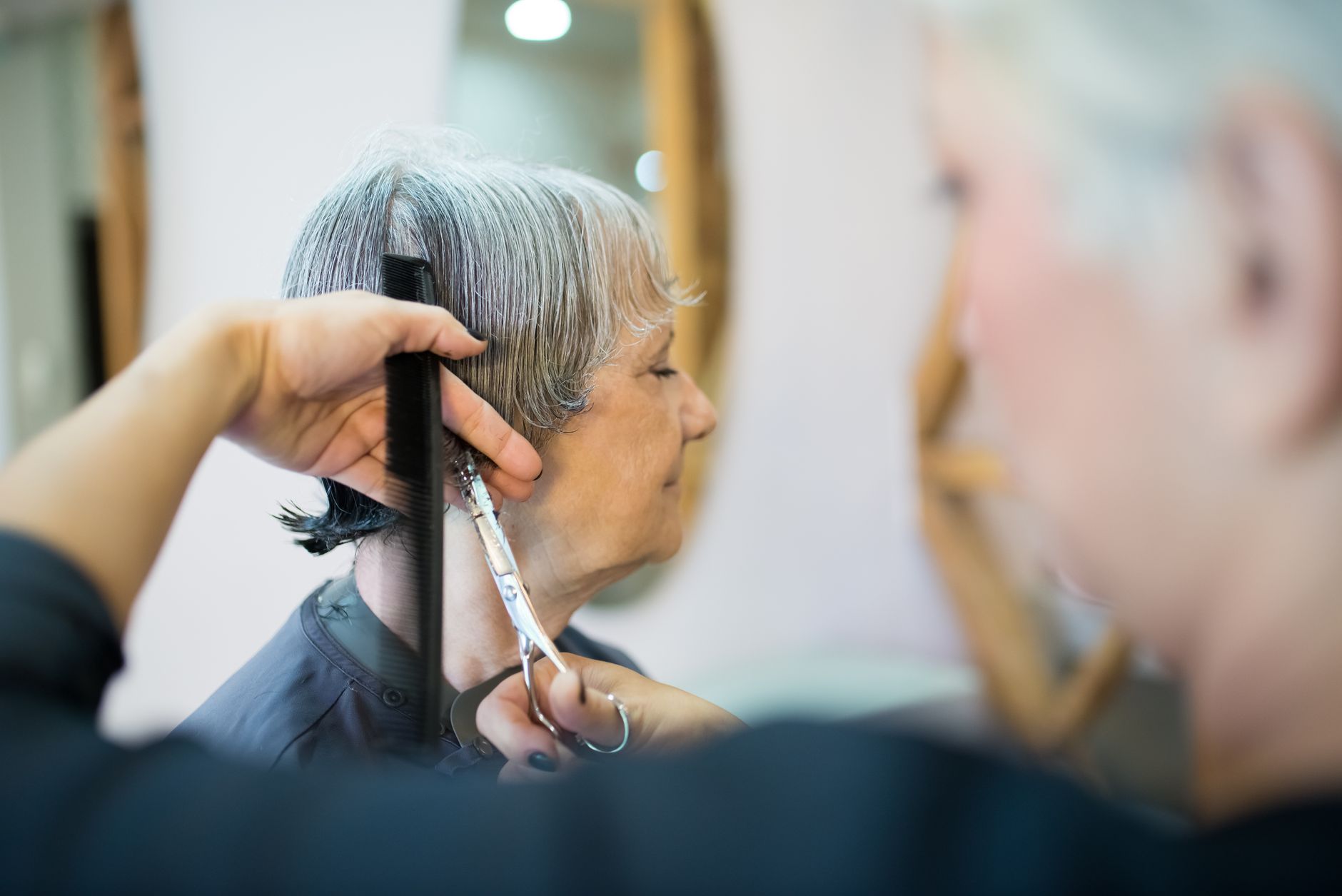
Short to medium lengths often make fine hair appear fuller because there is less weight pulling the hair downward. A bob, lob, or compact shoulder-length cut can also create a stronger-looking perimeter.
Length matters because fine strands can become weighed down as they grow, especially when the hair is naturally straight. Removing excess length can help the roots feel less flat and make the ends look more substantial, although the ideal stopping point depends on your texture, density, face shape, and preferred styling routine.
A blunt bob around the jaw or a lob near the collarbone is a practical starting point for many people who want more visible fullness. If you prefer longer hair, ask for a clean perimeter and regular trims rather than automatically adding many short layers.
Lengths worth discussing with your stylist
- Jaw-length bob for a compact, dense-looking shape
- Chin-to-shoulder lob for fullness with more styling flexibility
- Shoulder or mid-length cut with a strong perimeter if you prefer longer hair
Are blunt cuts or layers better for fine hair?
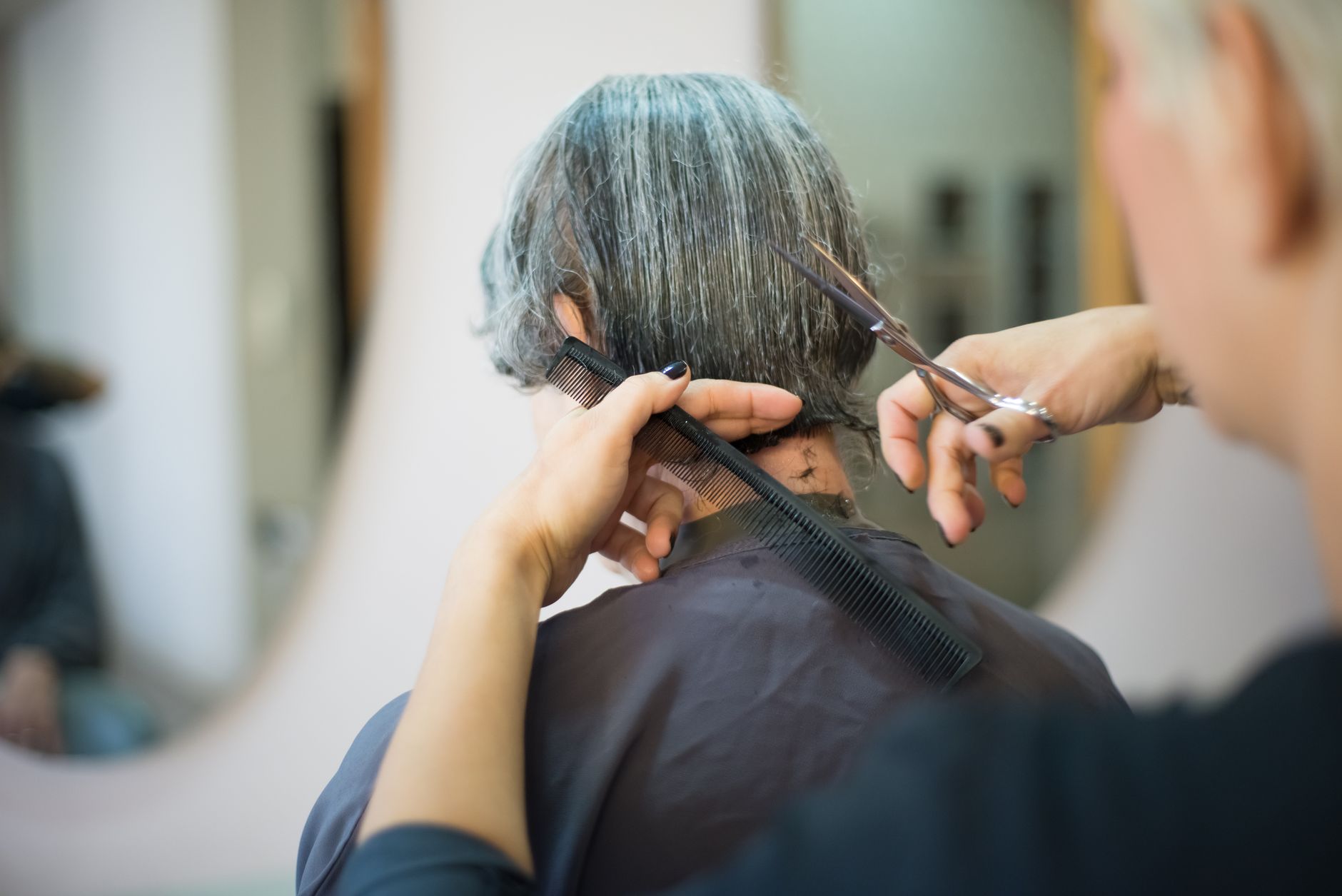
Blunt ends usually make fine hair look denser, while carefully placed layers can add movement and lift. The goal is to create shape without removing so much hair that the ends become wispy.
A one-length or mostly blunt perimeter keeps more strands reaching the same point, which can make the bottom edge look thicker. This is particularly useful when thin hair becomes noticeably see-through toward the ends.
Layers are not automatically a bad choice for fine hair. Long, subtle layers can prevent a cut from feeling heavy and give straight hair more movement, but aggressive thinning, excessive texturizing, or many short layers may reduce the visual density you are trying to preserve.

Layering choices that preserve fullness
- Keep the perimeter relatively solid
- Use longer internal layers rather than many short layers
- Add substantial face-framing pieces instead of very wispy sections
- Ask your stylist to consider your actual density before removing bulk
How should you style a volume-friendly haircut every day?
A good cut creates the foundation, but root direction, drying technique, and lightweight styling can noticeably change how full fine hair appears. Avoid weighing the hair down with more product than it needs.
When drying, lifting the roots away from their natural resting position can create temporary volume, while a round brush can add bend through the lengths. Lightweight mousse, root-lifting products, or a small amount of texturizing product may help, but applying heavy oils or rich creams near the roots can make fine hair look flatter.
Handle fine hair gently because excessive heat and rough brushing can contribute to breakage. If a styling product causes persistent scalp irritation, itching, rash, or a suspected allergic reaction, stop using it and seek advice from a dermatologist or another qualified professional rather than trying to cover the problem with additional products.
Simple ways to support the shape of your cut
- Direct roots upward while blow-drying instead of drying them flat
- Use lightweight products and concentrate heavier conditioners on the lengths
- Change your part occasionally if your roots tend to settle flat
- Schedule trims when the perimeter begins to look thin or uneven
Haircut features that can change how full thin, fine hair appears
| Cut feature | How it affects fullness | What to consider |
|---|---|---|
| Blunt ends | Creates a stronger, denser-looking perimeter | Especially useful when the ends tend to look sparse |
| Bob or lob length | Reduces the weight that can pull fine hair flat | Choose a length that works with your face shape and daily routine |
| Long layers | Adds movement while preserving more overall density | Too many layers can make already fine ends look thinner |
| Face-framing pieces | Adds shape and movement around the front | Keep them substantial enough to avoid a wispy appearance |
| Very long length | Can emphasize flat roots and thinner ends on some hair | Regular trims and strategic shaping may help maintain a fuller outline |
People also ask
Hair FAQ
Does a bob make thin hair look thicker?
It can. A bob removes some of the weight of longer hair and can create a cleaner, denser-looking bottom edge, particularly when the ends are cut blunt rather than heavily layered.
Can layers make fine hair look thinner?
Yes, if too much hair is removed. Fine hair often benefits from subtle, longer layers that add movement while keeping enough density through the perimeter.
Should thin, fine hair be cut short?
Not necessarily. Short and medium cuts can make fullness easier to create, but longer fine hair can still look polished when the perimeter is kept strong and the layering is chosen carefully.