

Quick answer
Caring for dry sensitive skin involves a gentle, consistent routine focused on barrier support and hydration. Use fragrance-free, hypoallergenic products with soothing ingredients. Avoid harsh cleansers, hot water, and known irritants. Prioritize moisturizers with ceramides and hyaluronic acid to lock in moisture and protect the skin barrier, reducing the likelihood of irritation and flare-ups.
Understanding Dry Sensitive Skin and Its Needs
Dry sensitive skin often has a compromised skin barrier, making it more susceptible to environmental stressors and irritants which can lead to discomfort, redness, and flakiness.
Dry sensitive skin is characterized by a weakened skin barrier, which is your skin's outermost protective layer. When this barrier is not functioning optimally, it struggles to retain moisture and keep out potential irritants like allergens, bacteria, and harsh chemicals. This vulnerability often leads to feelings of tightness, itching, redness, and flakiness, making the skin reactive to many common skincare products and environmental factors.
Recognizing these underlying issues is the first step toward effective care. It means moving beyond simply adding moisture and focusing on rebuilding and strengthening the skin's natural defenses. Your skin is sending clear signals when it feels dry and sensitive; listening to those signals can guide you toward products and practices that truly soothe and protect.

Your Gentle Daily Skincare Routine
A gentle daily skincare routine for dry sensitive skin should focus on cleansing without stripping, deep hydration, and consistent protection from environmental aggressors.
Building a consistent and gentle skincare routine is crucial for managing dry sensitive skin. The goal is to minimize irritation while maximizing hydration and barrier support. Always patch-test new products on a small area of skin, like behind the ear or on the inner arm, for a few days before applying them to your entire face.
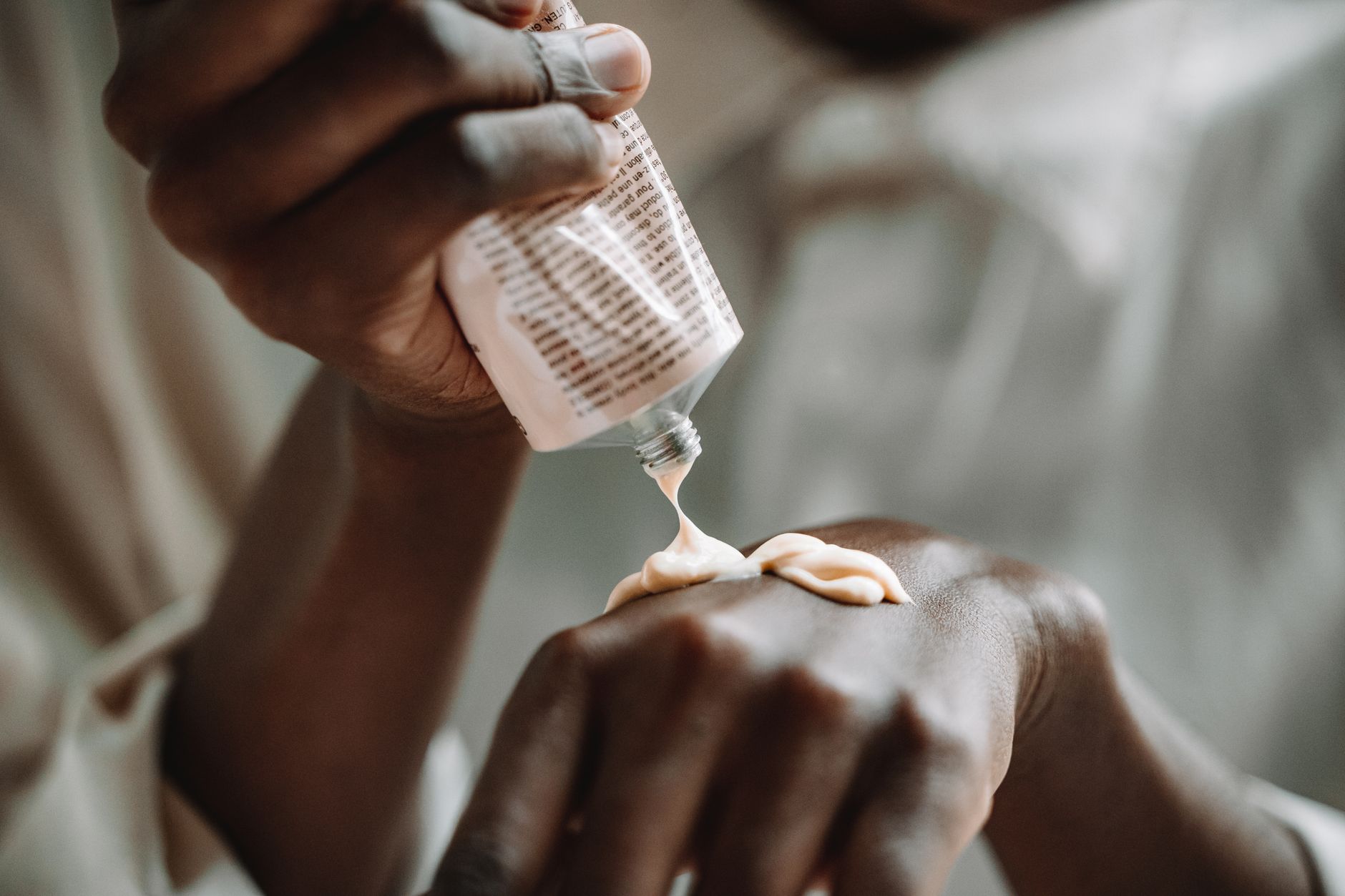
Start with a mild, cream-based or oil-based cleanser that does not foam excessively. These types of cleansers remove impurities without stripping away essential natural oils, which is vital for a compromised barrier. Follow immediately with a hydrating toner or serum that contains ingredients like hyaluronic acid or glycerin to attract and bind moisture to the skin. The most critical step is moisturizing: choose a rich, fragrance-free moisturizer specifically formulated for sensitive skin, conta
Essential Steps for Dry Sensitive Skin
- Cleanse gently with a non-foaming, hydrating cleanser.
- Apply a soothing, hydrating serum or essence to damp skin.
- Generously apply a rich, fragrance-free moisturizer to lock in hydration.
- In the morning, finish with a broad-spectrum mineral sunscreen (SPF 30+).
- Use lukewarm water for all cleansing and rinsing.
- Pat skin dry with a soft towel instead of rubbing.
Beyond Products: Lifestyle and When to Seek Help
Beyond skincare products, lifestyle adjustments like managing indoor humidity and diet can support skin health, and professional help is key for persistent irritation or specific skin conditions.
Skincare is not just about what you put on your skin; it is also influenced by your environment and lifestyle. Maintaining a humid environment, especially in dry climates or during winter, can significantly benefit dry sensitive skin. Using a humidifier in your home can help prevent moisture loss from your skin. Additionally, be mindful of long, hot showers or baths, as these can strip natural oils and exacerbate dryness and sensitivity. Opt for shorter, lukewarm showers instead.
While specific dietary recommendations are not universally applicable, some individuals find that certain foods can trigger skin flare-ups. Paying attention to your body's responses and discussing any concerns with a healthcare professional or registered dietitian can be beneficial. For persistent redness, itching, flaking, or if you suspect an allergic reaction or a specific skin condition like eczema or rosacea, it is always advisable to consult a dermatologist. They can provide an accurate di
Key Skincare Ingredients for Dry Sensitive Skin
| Category | Ingredients to Embrace | Ingredients to Avoid |
|---|---|---|
| Hydrators | Hyaluronic Acid, Glycerin, Urea, Squalane | Alcohol denat., Isopropyl alcohol |
| Emollients/Occlusives | Ceramides, Shea Butter, Petrolatum, Dimethicone, Colloidal Oatmeal | Fragrance, Essential Oils (many) |
| Soothers | Niacinamide, Allantoin, Panthenol, Centella Asiatica | Sulfates (SLS/SLES), Harsh Exfoliants (physical scrubs, high concentration AHAs/BHAs) |
| Preservatives | Phenoxyethanol, Sodium Benzoate (in low concentrations) | Parabens (for some sensitivities), Formaldehyde-releasing preservatives |
People also ask
Skincare FAQ
Can diet affect dry sensitive skin?
While individual responses vary, some people report that certain foods or dietary patterns can influence their skin's sensitivity. It is helpful to observe your own body and consult a healthcare professional for personalized advice if you have concerns.
How often should I moisturize dry sensitive skin?
For dry sensitive skin, it is generally recommended to moisturize at least twice a day, in the morning and evening, immediately after cleansing. You might also reapply throughout the day if your skin feels tight or dry.
What common ingredients should I avoid if I have dry sensitive skin?
You should generally avoid products containing fragrance, essential oils, alcohol denat., sulfates (SLS/SLES), harsh physical exfoliants, and certain chemical exfoliants in high concentrations, as these can often trigger irritation.