

Quick answer
Effectively caring for dry facial skin involves a gentle cleansing routine, consistent application of hydrating serums and moisturizers, and avoiding harsh ingredients. Prioritize products that support the skin's barrier function to lock in moisture and reduce flakiness, ensuring comfort and a supple feel.
Understanding Dry Facial Skin
Dry facial skin typically lacks sufficient oil production, leading to a compromised skin barrier and an inability to retain moisture effectively. This can manifest as tightness, flakiness, and a dull appearance.
Dry skin on the face is a common concern that can be influenced by genetics, environmental factors like cold weather or low humidity, and lifestyle choices. Unlike dehydrated skin, which lacks water, dry skin lacks natural oils (lipids) that are crucial for a healthy skin barrier. When this barrier is impaired, moisture escapes more easily, leading to the familiar symptoms of dryness.
Recognizing the signs of dry facial skin is the first step toward effective care. You might experience a feeling of tightness, especially after cleansing, or notice visible flakiness, redness, or a rough texture. It is important to distinguish this from temporary dehydration, which can affect any skin type. A dedicated and gentle approach is key to restoring comfort and promoting a more supple complexion.
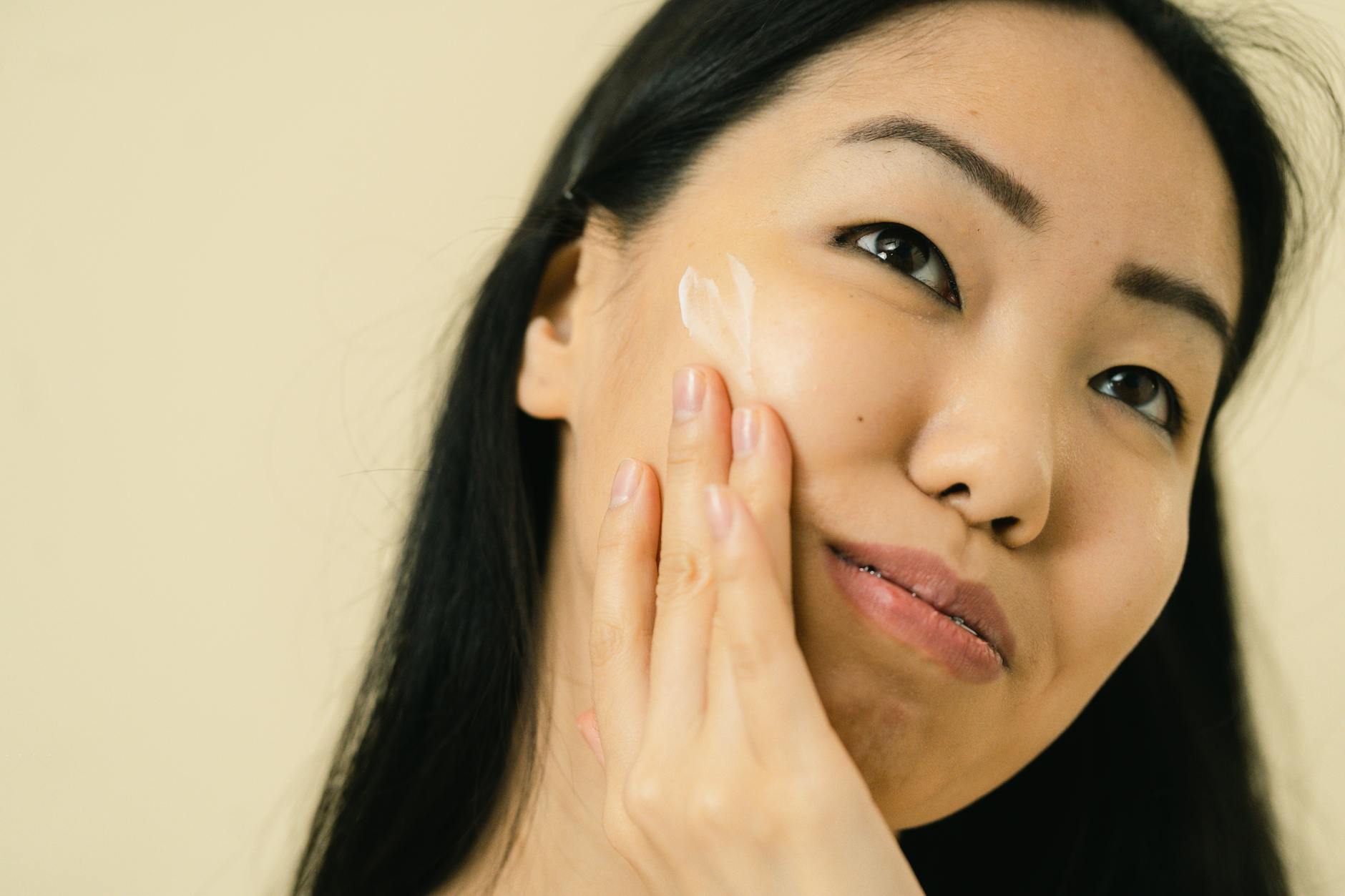
Building Your Gentle Hydration Routine
A gentle hydration routine for dry facial skin focuses on cleansing without stripping, layering hydrating ingredients, and sealing in moisture to support the skin's natural barrier.
Crafting an effective routine for dry facial skin involves thoughtful product selection and consistent application. The goal is to replenish moisture, strengthen the skin's barrier, and prevent further moisture loss without causing irritation.
Begin with a creamy, non-foaming cleanser that removes impurities without stripping natural oils. Look for cleansers that contain hydrating ingredients like glycerin or hyaluronic acid. After cleansing, while your skin is still slightly damp, apply a hydrating serum. Serums with ingredients like hyaluronic acid, ceramides, or niacinamide can deliver concentrated moisture and barrier support. Follow with a rich, emollient moisturizer. Opt for moisturizers designed for dry skin, often containing a

Daily Skincare Steps for Dry Facial Skin
- Cleanse gently with a hydrating, non-foaming cleanser.
- Apply a hydrating serum to damp skin.
- Follow with a rich, barrier-supporting moisturizer.
- Protect with a broad-spectrum SPF during the day.
Supporting Skin Health and Seeking Professional Advice
Beyond topical products, lifestyle adjustments can further support dry skin, and persistent issues warrant consultation with a qualified professional for personalized guidance.
While a consistent skincare routine is foundational, certain lifestyle habits can also impact your skin's hydration levels. Consider using a humidifier in your home, especially during drier seasons, to add moisture to the air. Drinking adequate water throughout the day contributes to overall hydration, though its direct impact on skin surface dryness can vary. Avoid excessively hot showers or baths, as hot water can strip natural oils from the skin. Instead, opt for lukewarm water.
If your dry facial skin persists despite consistent care, or if you experience significant redness, itching, discomfort, or suspect an underlying condition like eczema or rosacea, it is advisable to consult a dermatologist or other qualified professional. They can help identify specific triggers, diagnose any skin conditions, and recommend targeted treatments or prescription-strength products that are appropriate for your individual needs. Early intervention can often prevent more severe irritat
Key Skincare Ingredients for Dry Facial Skin
| Ingredient Type | Look For | Avoid |
|---|---|---|
| Humectants | Hyaluronic Acid, Glycerin, Urea, Sodium PCA | High concentrations of alcohol |
| Emollients | Ceramides, Fatty Acids (e.g., Linoleic Acid), Cholesterol | Fragrances, essential oils (if sensitive) |
| Occlusives | Petrolatum, Mineral Oil, Squalane, Shea Butter | Harsh sulfates (e.g., Sodium Lauryl Sulfate) |
| Soothing Agents | Niacinamide, Allantoin, Panthenol (Vitamin B5) | Strong exfoliants (e.g., high-percentage AHAs/BHAs) |
People also ask
Skincare FAQ
Can diet affect dry facial skin?
While topical care is primary, a balanced diet rich in omega-3 fatty acids and antioxidants may support overall skin health, which can indirectly benefit dry skin. However, dietary changes alone are unlikely to resolve significant dryness.
How often should I moisturize dry facial skin?
For dry facial skin, it is generally recommended to moisturize at least twice daily, in the morning and before bed. You may also reapply throughout the day if your skin feels tight or dry, especially after washing.
Is exfoliation good for dry skin on the face?
Gentle exfoliation can be beneficial for dry facial skin to remove flaky surface cells, allowing moisturizers to penetrate better. However, use mild chemical exfoliants (like lactic acid) sparingly, once or twice a week, and avoid harsh physical scrubs that can irritate.