Quick answer
The best way to care for dry, flaky skin involves a gentle, consistent routine. Use a mild cleanser, apply a rich moisturizer to damp skin, and incorporate hydrating serums with ingredients like hyaluronic acid or ceramides. Avoid harsh exfoliants and hot water to protect your skin barrier, promoting comfort and improved texture.
What Causes Dry, Flaky Skin?
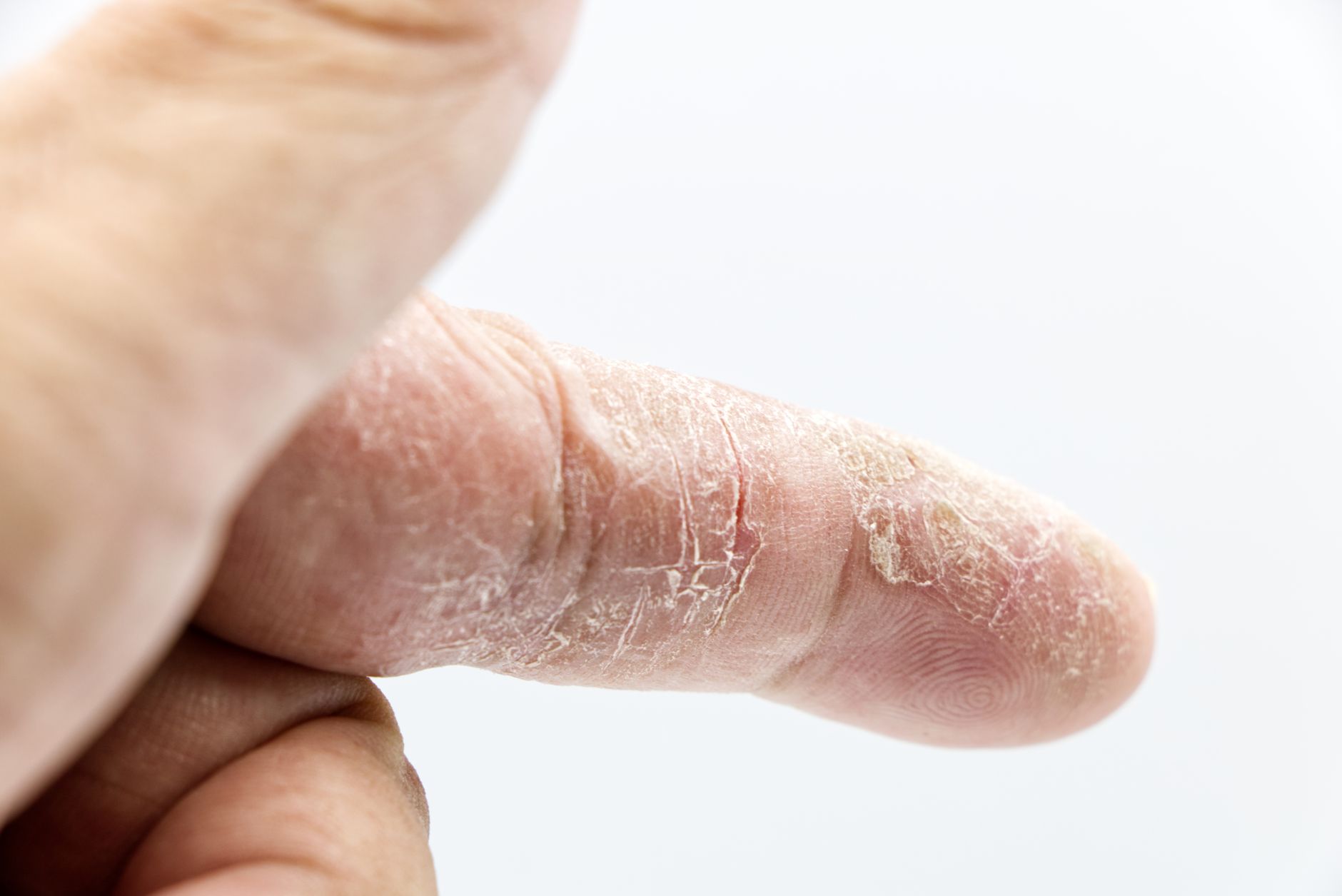
Dry, flaky skin often results from a compromised skin barrier, which struggles to retain moisture. Environmental factors, harsh products, and underlying conditions can contribute to this common concern.
Your skin barrier is your body's first line of defense, a protective layer that keeps moisture in and irritants out. When this barrier is damaged, it can lead to increased water loss, resulting in dryness, flakiness, and discomfort. Common triggers include cold weather, low humidity, hot showers, harsh soaps, and over-exfoliation.
Understanding that dry, flaky skin is more than just a lack of moisture is key; it is about protecting and repairing this vital barrier. While many cases are manageable with consistent care, persistent or severe issues may indicate an underlying skin condition that benefits from professional advice.

Crafting Your Daily Routine for Comfort and Hydration
A consistent and gentle skincare routine is fundamental to healing dry, flaky skin. Focus on cleansing without stripping, layering hydrating ingredients, and sealing in moisture effectively.
Begin your routine with a mild, hydrating cleanser. Avoid foaming formulas or those containing harsh sulfates, which can strip natural oils and worsen dryness. Look for cream or oil-based cleansers that leave skin feeling soft, not tight.
After cleansing, while skin is still slightly damp, apply hydrating serums. Ingredients like hyaluronic acid, glycerin, and polyglutamic acid are excellent humectants that draw moisture into the skin. Niacinamide can also help improve skin barrier function over time. Just as simplifying ingredients and routines can benefit our overall well-being, like learning to introduce homemade pet food at pawdishy.com/introduce-homemade-pet-food for clearer ingredient understanding, applying this t
The most crucial step is moisturizing. Choose a rich, emollient moisturizer that contains ceramides, fatty acids, and cholesterol to replenish the skin barrier. Apply it generously, especially at night, to lock in all previous layers and prevent transepidermal water loss.
Even dry skin needs sun protection. Use a broad-spectrum SPF 30 or higher daily. Consider using a humidifier indoors, especially during dry seasons, to add moisture to the air and prevent your skin from drying out further.

Daily Skincare Steps
- Cleanse with a gentle, hydrating formula.
- Apply a hydrating serum to damp skin.
- Generously apply a rich, emollient moisturizer.
- Finish with broad-spectrum SPF during the day.
- Consider a humidifier for added environmental moisture.
Product Picks and Lifestyle Hacks for Lasting Relief
Selecting the right products and making thoughtful lifestyle adjustments are key to long-term comfort for dry, flaky skin. Focus on barrier-supporting formulations and habits that minimize moisture loss.
For cleansers, look for 'cream cleanser' or 'hydrating balm'. For serums, choose those with hyaluronic acid or ceramides. Moisturizers should be rich and labeled 'for dry skin' or 'barrier repair'. Petroleum jelly or thick balms can be excellent occlusives for very dry areas, providing an extra layer of protection.
Avoid long, hot showers; use lukewarm water instead. Pat your skin dry rather than rubbing vigorously. Drink plenty of water throughout the day to support overall hydration. Opt for soft, breathable fabrics next to your skin. Also, be mindful of indoor heating or air conditioning, which can deplete skin moisture.
If your dry, flaky skin persists despite consistent care, or if you experience severe itching, redness, cracking, or signs of infection, it is wise to consult a dermatologist. They can help identify underlying conditions like eczema, psoriasis, or allergies and recommend targeted treatments.
Essential Ingredients for Soothing Dry, Flaky Skin
| Ingredient | Benefit | Product Type |
|---|---|---|
| Hyaluronic Acid | Attracts and holds moisture | Serums, moisturizers |
| Ceramides | Repairs skin barrier, locks in moisture | Moisturizers, barrier creams |
| Glycerin | Humectant, draws moisture to skin | Cleansers, serums, moisturizers |
| Shea Butter/Petrolatum | Occlusive, prevents moisture loss | Rich creams, balms |
| Niacinamide | Improves barrier function, reduces redness | Serums, moisturizers |
People also ask
Skincare FAQ
Can exfoliation help dry, flaky skin?
Gentle chemical exfoliation with ingredients like lactic acid can help remove dead skin cells without harsh scrubbing, but it should be done sparingly and carefully. Physical exfoliants are generally too abrasive for already compromised, dry, flaky skin.
How often should I moisturize very dry skin?
For very dry skin, moisturize at least twice daily after cleansing, and consider re-applying throughout the day if needed, especially after hand washing or exposure to harsh elements. Applying to damp skin helps lock in more moisture.
Are natural oils good for dry, flaky skin?
Certain natural oils like jojoba, argan, or rosehip can be beneficial for dry skin due to their nourishing fatty acids. However, they are best used as part of a routine, often layered over a humectant serum or under a cream, as they primarily act as emollients and occlusives.